
Racehorse Shares
Racehorse Shares – Own a Share in a Racehorse with Kurrinda Bloodstock
Ever dreamed of owning a racehorse—without the full cost or hassle? That's exactly what Racehorse Shares offer.
Instead of going all-in on a single horse, you can own shares in a race horse through a professionally managed syndicate. It's a smarter, more accessible way to experience the thrill of ownership—without the pressure, the complexity, or the massive upfront investment.
At Kurrinda Bloodstock Syndications, we specialise in race horse shares that connect everyday Australians with premium thoroughbreds, top trainers, and the excitement of race day.
What Are Racehorse Shares?
Racehorse shares allow multiple owners to collectively own a racehorse. Each person holds a percentage (or “share”) of the horse and enjoys the same ownership experience—just at a fraction of the cost.
It's how thousands of Australians are getting involved in racing without needing to buy a horse outright.
What Does Your Share Include?
When you buy a share, you're not just purchasing a percentage—you're stepping into the full ownership experience:
- Professional training and race preparation management
- Veterinary care and ongoing horse management
- Nutritional management with spelling at our farm
- Regular updates, photos, and progress reports
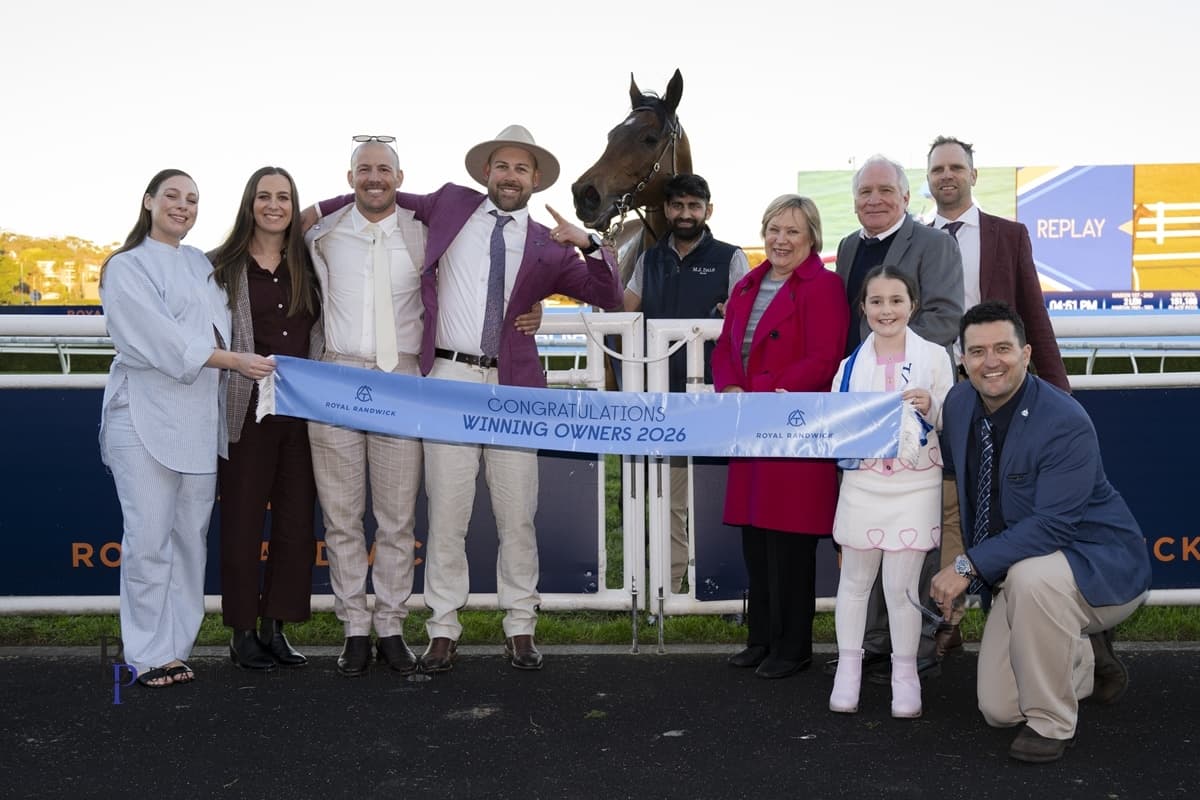
- Access to race day events and owner privileges
- Access to gallop mornings and Open Day's
Everything is managed for you, so you can focus on enjoying the journey.
How Horse Racing Shares Work in Australia
Getting started with horse racing shares is straightforward—and we make the process seamless from day one.
Choose Your Horse
Browse our available opportunities and select a horse that suits your goals and budget.
Buy a Share in a Racehorse
Secure your percentage ownership with full transparency on costs and inclusions.
Stay Connected
Receive regular updates, stable reports, and behind-the-scenes insights.
Experience Race Day
Attend race days as an owner and enjoy the atmosphere, access, and excitement.
Ownership Without the Headaches
No need to worry about logistics, training decisions, or day-to-day care—Kurrinda Bloodstock handles it all. You get the upside of ownership, without the stress.
Why Buy a Share in a Racehorse?
Owning a racehorse is a bucket-list experience—but going it alone can be expensive and complex. That's where horse shares change the game.
Affordable entry point into horse ownership
Access to quality bloodstock selected by experts
Shared costs, shared risk
Unmatched race day experience
Be part of a passionate ownership community
A Smarter Way to Get Into Horse Racing
If you've been browsing race horses for sale but hesitating at the price tag, syndication offers a far more practical pathway. You still get the thrill—just without the full financial commitment.
Buying a Racehorse Outright vs. Buying Shares
Both routes make you a registered owner with the same rights on race day. They differ in what you pay, what you carry when things do not go to plan, and how much of the day-to-day falls to you.
Buying Outright
One owner, one horse, one bill.
- You fund the entire purchase price. Our own yearling buys have averaged $89,736 over the past five years, which is the order of commitment involved.
- Every training, veterinary, transport and agistment bill lands with you in full, month after month, whether the horse is racing or spelling.
- One horse carries all of your exposure. Racing is unpredictable, and an injury or a horse that simply does not take to it leaves you without another runner.
- Trainer selection, race planning, spelling and retirement decisions are all yours to make and to manage.
Buying a Share
Shared cost, shared risk, the same race day.
- You buy a percentage — from 2% — and pay that proportion of the purchase price rather than the whole thing.
- Ongoing costs are split the same way. A 5% share carries 5% of the monthly bill, and the figure is set out before you commit.
- The same budget can be spread across several horses, which is the most reliable way to improve your chances of having a runner worth following.
- Training, veterinary care, transport, spelling and race planning are handled for you by people who do it full time.
- Interest-free payment plans are available to spread the upfront cost.
For most people sole ownership is not realistic, and that is the honest case for syndication: you get the full ownership experience for a fraction of the expense. Tell us the horse you are interested in and we will give you the actual purchase price, share price and monthly cost for that specific animal — not a range.
Why Choose Kurrinda Bloodstock Syndications for Race Horse Shares?
Not all syndicates are created equal.
At Kurrinda Bloodstock, we focus on quality over quantity—selecting horses with strong pedigrees, sound conformation, and genuine racing potential.
Trusted Horse Racing Syndicate in Australia
Here's what sets us apart:
Carefully selected horses with long-term potential
Transparent pricing and clear communication
Strong relationships with leading trainers
No prize money cuts
Ongoing owner engagement and updates
A genuine passion for racing and ownership
We're not just offering racehorse shares—we're offering an experience built on trust, knowledge, and excitement.
Available Racehorse Shares
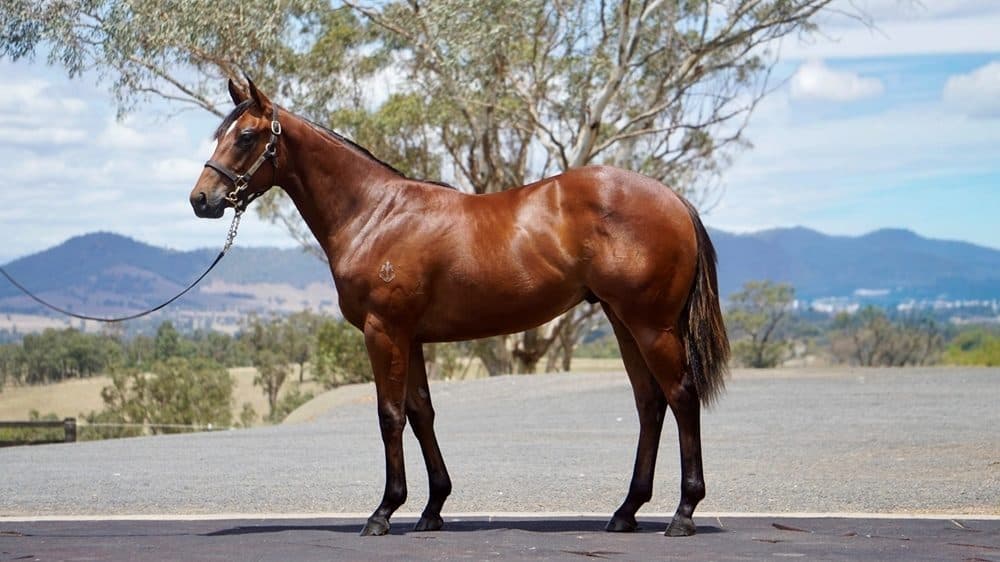
We regularly release new opportunities to buy a share in a racehorse, giving you access to well-bred horses ready to begin or continue their racing journey.
Each opportunity includes full details on pedigree, trainer, share price, and projected costs—so you can make an informed decision.
Looking for Racehorse Shares in 2026?
Demand for quality horse racing shares continues to grow across Australia, and nowhere more so than in NSW. Our horses are stabled with trainers at the major Sydney tracks — Randwick, Rosehill and Warwick Farm — as well as Newcastle, and run across NSW country, provincial and metropolitan meetings.
If you are looking specifically for racehorses for sale in NSW, that guide goes into the state's sales and racing calendar in more detail. If you're considering getting involved, now is the time to secure your place before shares are fully allocated.
View Available OpportunitiesCosts of Horse Shares Explained
There are two costs to understand, and they work differently. The first is the one-off price of your share. The second is your proportion of running the horse each year.
1. Your Share Purchase
A one-off payment for your percentage of the horse. It varies with the horse and the size of the share you take, and interest-free payment plans are available to spread it.
2. Your Share of Running Costs
Training, veterinary care, transport, farrier, spelling and race entry. Budgeted annually and charged to you in proportion to the share you hold.
Running a racehorse for a year costs somewhere between $40,000 and $60,000.
That figure is for the entire horse, not per owner — it is the whole annual budget, and it is divided between everyone in the syndicate according to their shareholding. This is the arithmetic that makes syndication work:
| Your Share | Your Cost Per Year | Roughly Per Month |
|---|---|---|
| 2% | $800 – $1,200 | $67 – $100 |
| 5% | $2,000 – $3,000 | $167 – $250 |
| 10% | $4,000 – $6,000 | $333 – $500 |
Indicative only. The actual budget depends on the horse, the trainer and how much racing and spelling the season involves. You will be given the specific figures for any horse before you commit, and prize money the horse earns is paid back to you in the same proportion.
We would rather you saw the real numbers early than be surprised by them later. Ask us about any horse on the list and we will send you its budget in full.
Is It Worth Buying a Horse Share?
For many owners, the value goes beyond financial return.
It's about:
- The thrill of watching your horse compete
- Being part of a racing team
- Experiencing ownership without full responsibility
And yes—there's always the potential for prize money along the way.
50+
Years in Australian Racing
1,000+
Winners Produced
$7M+
Prize Money Earned
Frequently Asked Questions About Racehorse Shares
How much does a racehorse share cost?
Costs vary depending on the horse and share size, but syndication makes ownership far more affordable than buying outright.
Can I make money from horse racing shares?
While returns aren't guaranteed, owners may receive a share of prize money and potential resale value.
Do I get to attend race days?
Yes—owners often receive race day access and exclusive experiences.
How long does ownership last?
Ownership typically lasts throughout the horse's racing career.
What happens if the horse is retired?
Decisions are made in the best interest of the horse. Well-bred mares and successful colts may go to stud. For the geldings, and the fillies and mares who do not, we work with around half a dozen colleagues across the industry who retrain our horses for dressage and equestrian — several have gone on to win multiple awards at Equimillion. We also sponsor a horse at Equimillion each year.
Ready to Own a Share in a Racehorse?
If you've been thinking about getting involved in racing, this is your opportunity.
With Racehorse Shares, you can enjoy the excitement of ownership, the energy of race day, and the pride of being part of something bigger—without going it alone.
- Explore our available opportunities today.
- Speak with our team to find the right horse for you.
- Take the first step towards owning your share.
Start Your Racehorse Ownership Journey Today
Owning racehorse shares is one of the most exciting and accessible ways to be part of the Australian racing scene.
At Kurrinda Bloodstock, we make it simple, transparent, and genuinely enjoyable.
Get in touch with our team today and secure your share in a racehorse.


