Racehorse Syndicates And Shares
Looking To Invest In A Racehorse?
Realise your dream and purchase a share in a racehorse today and join the winning team of Kurrinda Bloodstock Syndications
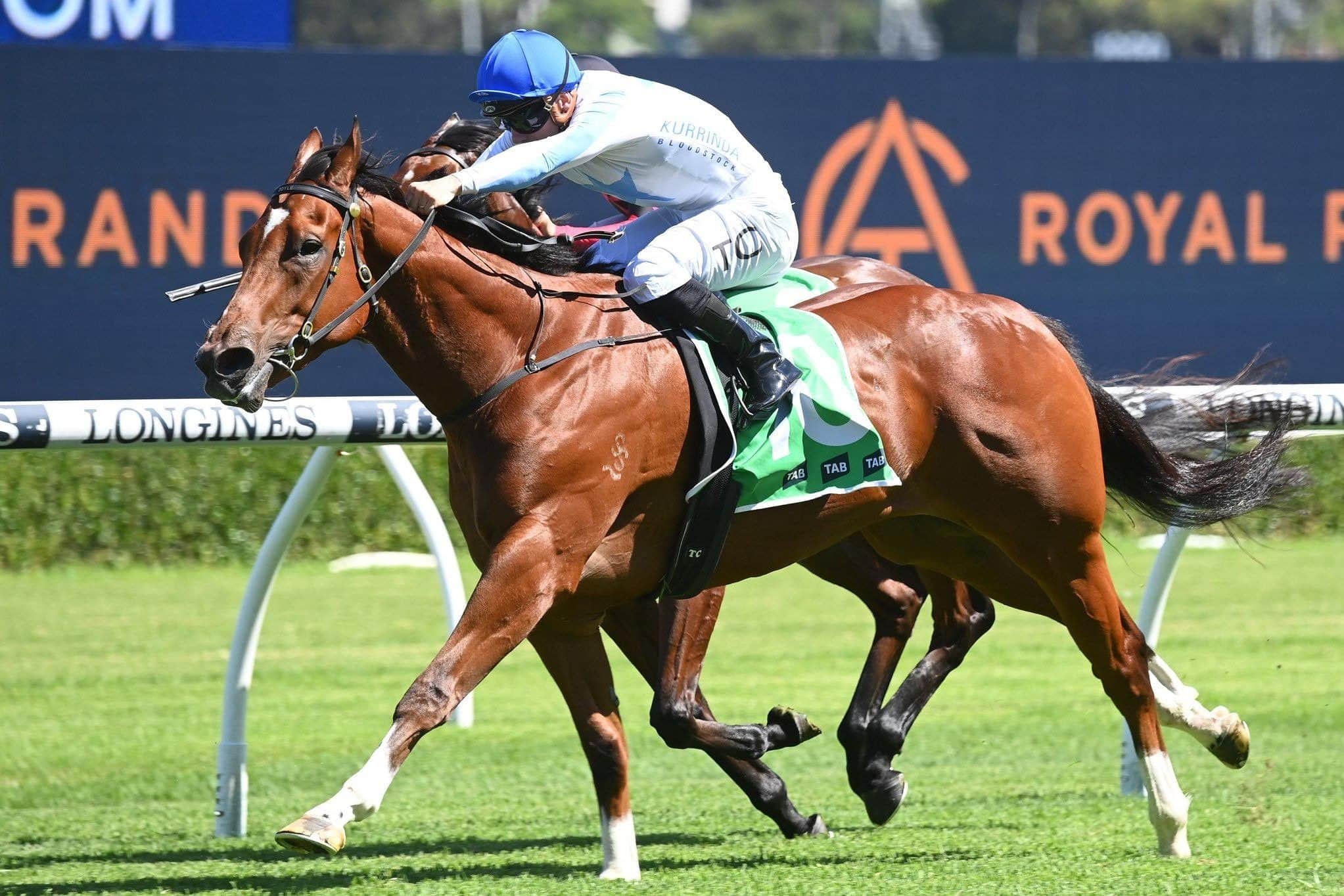
View Available Racehorse SyndicatesKurrinda Bloodstock Horse Racing Syndicates offer you the opportunity to own a share in some of the country's top-quality racehorses. Register your interest in our affordable Race-Horse Syndications and realise your dream of Race-Horse Ownership Today – Buy A Share In A Racehorse with Kurrinda Bloodstock Syndications. Please note we do not take a percentage of the prize money which is industry standard.
Buy Racehorse Shares With Kurrinda Bloodstock Syndications
Horse Racing Syndication With Kurrinda Bloodstock Syndications
Kurrinda Bloodstock Syndications are an Approved Promoter with Racing NSW, Racing QLD and Racing VIC this gives you the assurance that Kurrinda Bloodstock Syndications acts in accordance with the regulations set by Racing NSW, Racing QLD, Racing VIC and ASIC.
Our focus is on the quality and overall health of each horse, taking time to educate and prepare our thoroughbreds for race day, we ensure they have the best chance of success!
Race Horse Syndicates are offered on a percentage share basis, starting from an affordable 2% share or you can invest as much as you like, sharing in the journey and rewarding experiences along the way. We aim to have Open Days at our Hunter Valley property where our syndicate owners can come and see their horses, meet like-minded investors and share in the excitement of seeing how each horse is progressing under our love and care.
Syndications are a great way to get involved in the horse racing industry for a fraction of the price of outright ownership. We stable our thoroughbreds at our expansive 40 acre Hunter Valley property where the health and well-being of each horse is our number one priority. If you are interested in joining NSW Country, Provincial & Metropolitan Racing Syndicates, our team at Kurrinda Bloodstock Syndications would love to welcome you to our stables.
We provide social media, email and newsletter updates including weekly jockey interviews, trainer updates, photos and videos. Kurrinda Bloodstock Syndications use the services of specialised horse trainers, Ciaron Maher (Cranbourne), Gai Waterhouse & Adrian Bott (Randwick), Richard & Will Freedman (Rosehill), Mitch Freedman (Ballarat), David Pfieffer (Warwick Farm), Matthew Dale (Goulburn), Nathan Doyle (Newcastle) & Stuart Kendrick (Sunshine Coast).
For the best racehorse syndications in Australia choose Kurrinda Bloodstock Syndications. Please note we do not take a percentage of the prize money which is industry standard.
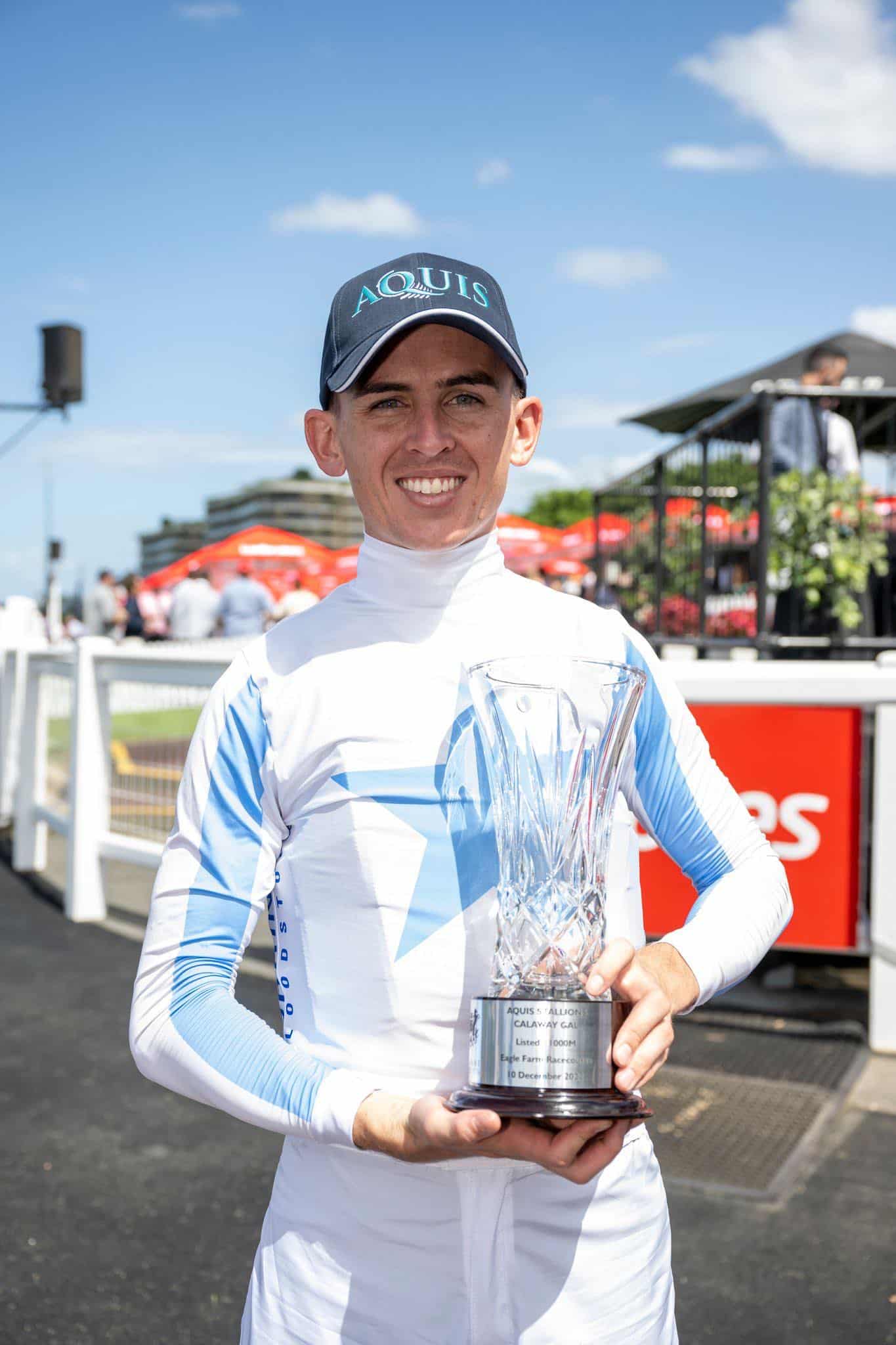
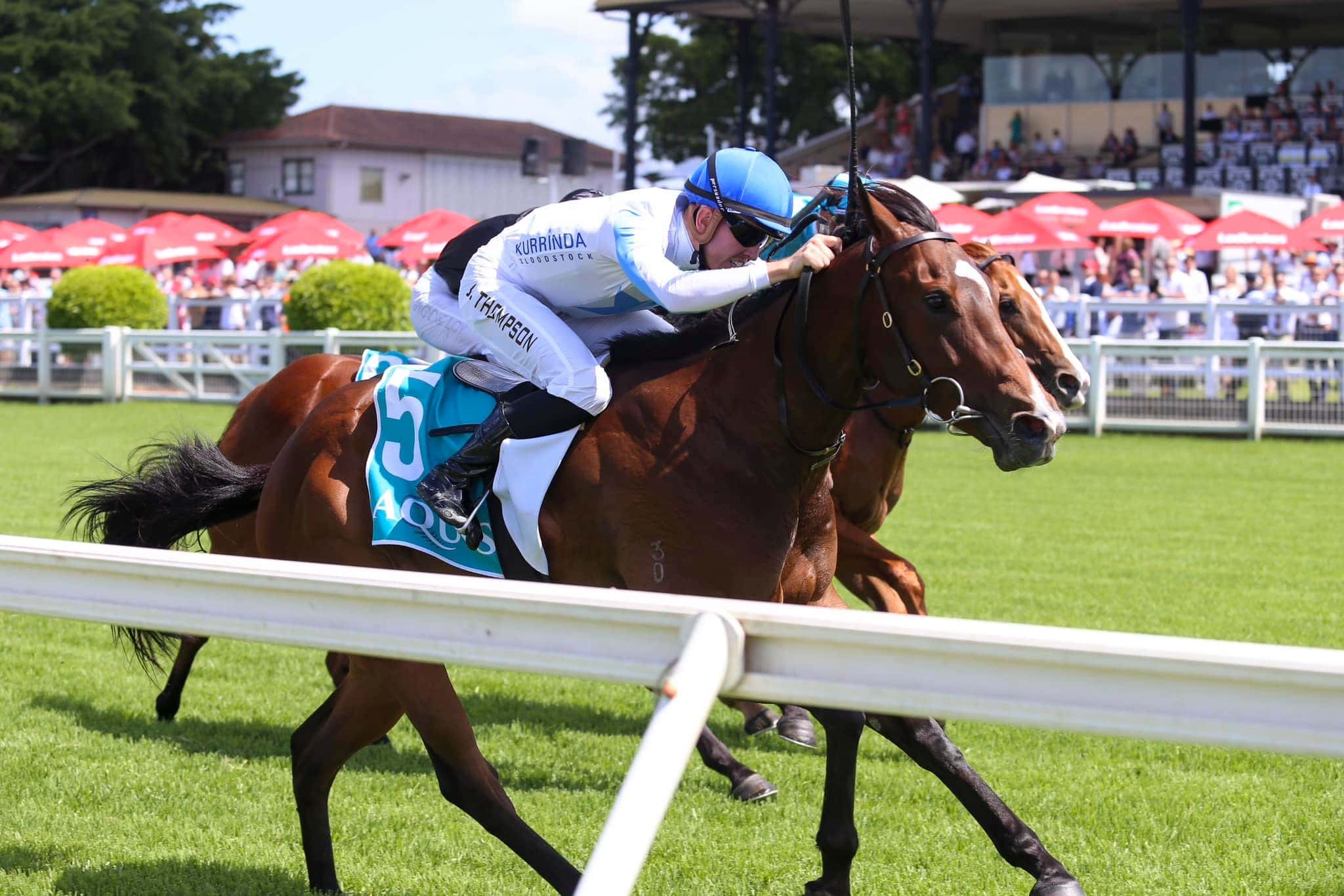
Kurrinda Bloodstock Syndications delivers an enjoyable, thrilling experience this is what syndicate racehorse ownership is all about. Country, Provincial & Metropolitan Racing Syndicates offer a chance to be a part of a community of like-minded people. The end game is being able to witness your horse do its very best on the track on Race Day.
Make Your Dreams Become A Reality With Kurrinda Bloodstock Syndications
Kurrinda Bloodstock Syndication – Race Horse Syndicates offer affordable racehorse shares starting from a 2% ownership stake. Choose from our selection of quality horses and realise your dream of racehorse ownership.
Share in the thrills and excitement of race day, training, open days and every stage leading up to the big calendar events. We keep owner's informed through weekly social media, audio, newsletter and email updates, allowing you to follow your horse's journey from stable to track. We also open our Hunter Valley property, welcoming you to visit your horse at our Annual Open Days.
Register your interest below:
Legal & Financial Considerations
Buying into a syndicate is a financial decision as much as a sporting one. Here is what sits behind the share, and what you should expect to see before you commit any money.
The Syndicate Agreement
Every share is governed by a written agreement. It sets out the ownership split, how ongoing costs are called, how prize money is distributed, and what happens if the horse is sold or retired. Read it in full before you commit.
Regulatory Standing
Kurrinda Bloodstock is an Approved Promoter with Racing NSW, Racing QLD and Racing VIC, and an authorised representative (No. 001285134) of Stable Connect Ltd (AFS Licence No. 336964). Owners need no licence of their own — you need only be 18 or over and registered with the relevant racing authority.
Product Disclosure Statement
You receive a PDS covering the horse, the share structure, the fee schedule and the risks before any money changes hands. It is what turns an enquiry into an informed decision, and we send it as a matter of course rather than on request.
Insurance
Liability cover and optional mortality or loss-of-use cover on the horse itself are both part of the picture, and what applies varies by horse. Ask us what is in place for the specific horse you are considering, and what it would cost to add.
Veterinary Examination
A pre-purchase veterinary examination is carried out before a horse joins the stable. The findings inform the purchase decision, and we are happy to discuss them with prospective owners.
Fees & Prize Money
Running a racehorse costs between $40,000 and $60,000 a year. That is the budget for the whole horse, shared between owners in proportion to their holdings — a 5% share carries 5% of it. Your share price and your portion of the running costs are both set out upfront. Prize money comes back to you in the same proportion, distributed fortnightly or monthly, and we take no percentage of it, which is not the industry standard.
Exiting Your Share
Shares can be sold or transferred, subject to the terms of the agreement and to the racing authority recording the change of ownership. Speak to us first — it is usually the fastest route to finding a buyer.
Still have questions? Talk to our team before you commit — we would rather answer them upfront than have you guess.
Register Your Interest
Fill in the form below and we'll be in touch shortly.
View Available Syndicates
Take an ownership stake in some of the highest quality horses and enjoy the Kurrinda Bloodstock Syndications difference.
Available SyndicatesTeam & Trainers
The Kurrinda Bloodstock Syndications team focus on purchasing the highest quality horses with a health profile and heritage that offers shareholders the best chance of seeing returns on investment.
Meet The TeamKurrinda Bloodstock Syndicates
Kurrinda Bloodstock has a 50-year history in breeding, purchasing and racing horses. Our passion is horse welfare and with that comes results.
Read More


