
Australian Racehorses for Sale: Navigating the Market, the Methods, and the Magic In 2026

Table of Contents
Australian Racehorses for Sale: Navigating the Market, the Methods, and the Magic
Australia is one of the great thoroughbred racing nations of the world. With iconic races such as the Melbourne Cup, Golden Slipper Stakes, Caulfield Cup, and Cox Plate, a deep network of trainers, and one of the most vibrant bloodstock markets on the planet, the Australian racehorse industry is dynamic, passionate, and continually evolving.
At the heart of this industry lies the racehorse sales market — a marketplace where dreams are bought, bred, and sometimes sold again.
Whether you are an experienced bloodstock investor, a first-time buyer, or simply a racing enthusiast curious about the process of acquiring a racehorse, understanding the landscape of Australian racehorses for sale is essential.
This article will take you through everything you need to know: how and where racehorses are sold, what types of horses are on offer, how to evaluate a potential purchase, the costs and risks involved, and how to make an informed decision that aligns with your goals.
https://www.youtube.com/@kurrindabloodstocksyndications/videos
Why Australia’s Racehorse Market Is Important
Australia’s racehorse market is significant for several reasons:
-
Strong Racing Industry: Australia offers a deep racing calendar that supports yearlings through to seasoned performers. With metropolitan, provincial, and country racing spread across every state, almost every horse has a place to compete.
-
International Reputation: Australian-bred and trained horses have competed and succeeded both at home and abroad, particularly in jurisdictions such as Hong Kong, Japan, and Europe.
-
Rich Bloodstock Sales Environment: Major sales events — including Magic Millions, Inglis Easter and National Yearling Sales — attract buyers from across the globe.
These factors combine to make Australia a powerful player in the global horse racing and bloodstock economy, ensuring that its racehorse sales remain robust and competitive.
https://www.buzzsprout.com/admin/2277350/dashboard
Types of Racehorses for Sale in Australia
When exploring racehorses for sale in Australia, you’ll discover several broad categories, each catering to different buyer objectives and timelines:
1. Untrained Yearlings
Yearlings are typically horses between 18 and 24 months of age that have not yet begun formal track training. These are often purchased based on pedigree and physical conformation rather than race performance.
Pros:
-
Lower purchase prices compared to proven horses
-
Potential for significant upside if the horse develops well
-
Buyers can influence early training and development
Yearling sales — such as the Magic Millions Gold Coast Yearling Sale and the Inglis Australian Easter Yearling Sale— are major events where thousands of young horses are offered with detailed pedigree, veterinary and catalog data to assist buyers.
2. Horses in Training / Ready-to-Race
These horses have commenced formal training and may have trialled or even started racing. They’re often referred to as “hacks” or “race-ready” horses.
Pros:
-
Buyers can assess early fitness, temperament and ability
-
Shorter timeline to the racecourse
-
Less uncertainty than yearlings
Cons:
-
Generally higher purchase costs than untrained yearlings
-
The horse’s racing aptitude may already be established, limiting upside
Horses in training are commonly sold at sales like Inglis Classic Yearling & Horses in Training Sale or through private treaty.
3. Proven and Performance Racehorses
These are horses with established records — winners or placegetters — and are often sought after by buyers wishing to compete immediately or to push into higher-stakes races.
Pros:
-
Immediate understanding of ability and temperament
-
Potential to earn prizemoney soon after purchase
Cons:
-
High purchase prices relative to untrained horses
-
Physical wear and mental stress from prior racing
These horses may be offered at dedicated races-in-training sales or through private sales managed by agents or trainers.
4. Broodmares and Stallion Prospects
The racehorse market also includes horses destined for breeding — either broodmares with successful track records or colts with strong pedigrees and physical attributes suggesting future stud value.
Pros:
-
Long-term influence on bloodstock lines
-
Can be a strategic investment for breeding operations
Cons:
-
Breeding does not guarantee success
-
High upfront investment with long waiting periods
Some buyers move seamlessly between the racing and breeding markets, using their purchases on the track to inform future breeding strategies.
Where Racehorses Are Sold in Australia
Racehorses in Australia are sold through a combination of formal sales events, private treaty arrangements, and digital platforms:
1. Major Yearling Sales
Australia’s most prestigious yearling sales include:
-
Magic Millions Gold Coast Yearling Sale: Held in January on the Gold Coast, with horses tied to lucrative Magic Millions raceday events later in the season.
-
Inglis Australian Easter Yearling Sale: A central pillar of the Australian bloodstock year, known for deep competition and high-quality pedigree lots.
Both sales attract domestic and international buyers and feature detailed catalogues, vet reports and pre-sale inspections.
2. Horses in Training and Mixed Sales
Sales houses such as Inglis and Magic Millions also conduct mixed sales that include untried yearlings alongside horses already in training. These can provide a broader spectrum of buying opportunities.
3. Private Treaty Sales
Many trainers, bloodstock agents and owners sell racehorses directly through private treaty arrangements. This format allows negotiation and often includes trial rides or extended vet checks prior to finalising a purchase.
4. Online Marketplaces
The rise of digital platforms has made browsing and buying racehorses more accessible. Listings may include videos, veterinary reports, race records, and contact details for agents or trainers.
5. Syndication Providers
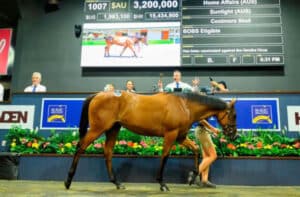
Increasingly, buyers are also entering the market through racehorse syndication, where companies purchase horses and sell fractional ownership shares to multiple individuals. Syndicators like Kurrinda Bloodstock, Blueblood Thoroughbreds, and others offer structured opportunities for people to own a stake in a horse, reducing individual risk and cost.
How to Evaluate a Racehorse Before Purchasing
Buying a racehorse is unlike buying a car or piece of property — it requires specific evaluations to estimate potential and suitability.
1. Pedigree
A horse’s pedigree — including sire (father), dam (mother), and extended bloodlines — provides insight into inherited traits like speed, stamina and soundness. Buyers use this data to predict future performance and breeding value.
2. Conformation
Conformation refers to the horse’s body structure. Proper bone alignment, balance, musculature and hoof symmetry are considered indicators of athletic potential and resilience under training stress.
3. Movement and Walk-Up
Before bidding or purchasing, buyers often watch a horse walk or trot (called a “walk-up”). Observing how a horse moves can suggest athleticism, coordination and ease of motion — qualities that translate to better racing potential.
4. Pre-Purchase Veterinary Checks
Most serious buyers commission a pre-purchase veterinary examination. These checks — which may include radiographs (x-rays), flexion tests, palpation and general health assessments — help identify existing or latent issues that could affect performance or training capability.
5. Race History (If Applicable)
For horses in training or proven racers, studying past performance records — including distances raced, finishing positions and times — offers valuable evidence about ability and temperament under race conditions.
The Purchase Process: Step by Step
1. Research and Targeting
Start by understanding what type of horse suits your goals:
-
Are you aiming for early two-year-old success?
-
Are you targeting middle-distance classics?
-
Is this a long-term investment or a passion project?
Catalogues, sales guides and bloodstock databases help identify interesting prospects.
2. Inspection and Assessment
Whether at sale grounds, on-farm or via video for remote purchases, inspect horses carefully:
-
Observe conformation
-
Watch movement
-
Request vet reports
-
Ask questions about temperament and history
3. Bidding or Negotiating
At public sales, bidding requires a strategy and predetermined budget. If purchasing privately, negotiation skills and clear communication help secure fair terms.
4. Transaction and Ownership Registration
Once a price is agreed, ownership registration with the relevant racing authority (e.g., Racing NSW, Racing Victoria, Racing Queensland) formalises your title. Proper documentation must be completed to ensure the horse is registered in your name or syndicate.
Owners must plan for these running costs before committing — especially for unproven horses that may take time to reach the racetrack.
Understanding Risk and Reward
Racehorse ownership inherently involves risk and uncertainty. Even well-bred yearlings can fail to perform, and horses in training may never reach expected results due to injury, temperament or physical plateau.
Risks
-
Injury or illness
-
Poor racing performance
-
High ongoing costs
-
Emotional and time commitment
Potential Rewards
-
Prizemoney earnings
-
Increased resale value
-
Breeding value
-
Prestige and emotional enrichment
-
Ownership experience and community engagement
For many buyers, the non-financial rewards — the excitement of raceday presence, the community among owners, the narrative arc of a horse’s journey — eclipse purely monetary considerations.
The Role of Syndication in the Sale Market
Because racehorse ownership can be cost-intensive, many buyers pursue ownership via syndication. Under this model:
-
A company purchases a horse on behalf of a group
-
Ownership is divided into shares
-
Costs and winnings are shared proportionally
-
Management, training, communication and administration are handled professionally
Syndication lowers entry costs, spreads risk, and often enhances the ownership experience through social engagement, updates and structured communication.
For example, providers like Kurrinda Bloodstock focus on:
-
Quality horse selection
-
Owner engagement programs
-
Transparent reporting
-
Race planning and logistics
This approach allows people who might otherwise never buy a racehorse outright to own a meaningful stake in one.
Post-Purchase Considerations: Training and Racing
Once you have purchased a racehorse, the next phase begins: training and racing.
Trainer Selection
The trainer you choose influences your horse’s development. Factors to consider include:
-
Trainer’s track record
-
Facilities and stable environment
-
Communication style
-
Experience with horses similar to yours
Working closely with a reputable trainer ensures proper conditioning, race selection and career planning.
Race Planning
Early race selection — including trial runs, maiden races and stepping stones — shapes a horse’s early career. Trainers typically plan a progression that balances competitiveness with the horse’s physical and mental development.
The Emotional Side of Ownership
Racehorse ownership is a deeply emotional experience. Owners often speak of the unique thrill of:
-
Watching trackwork
-
Hearing a horse’s name called in the race book
-
Sitting in the owners’ enclosure on raceday
-
Celebrating wins with fellow owners
These aspects — often unpredictable and personal — make horse ownership profoundly rewarding for many participants.
Resale, Retirement and Aftercare
Not all horses continue racing forever. Some are sold, others retire to breeding roles, and many are rehomed for second careers in performance riding or companionship.
Responsible ownership includes planning for post-racing life — either through resale networks, retraining programs, or aftercare partnerships with industry groups.
Conclusion: A Market of Opportunity and Responsibility
The Australian market for racehorses for sale is expansive, dynamic, and full of opportunity — but it also demands knowledge, patience, and responsible decision-making. Whether you are considering a young yearling, a horse in training, or a proven performer, understanding how the market operates, how to evaluate horses, and how to manage costs and risk is essential.
For many people, ownership transcends financial outcomes: it becomes a passion, a community experience, and a deeply personal connection to the sport of racing. By approaching the process with clear goals, realistic expectations, and informed guidance, you can position yourself to make the most of what the Australian racehorse market has to offer — and perhaps experience the unforgettable joy of seeing “your” horse race home first.
How Kurrinda Makes Ownership Simple
Many new owners worry that the financial side of syndication will be complicated. With Kurrinda Bloodstock, it’s anything but. They provide full cost breakdowns before you commit, give advance notice of major expenses, and deliver monthly updates on your horse’s training, expenses, and prize money.
The team is always available to explain numbers, answer questions, or provide additional information, helping you feel confident and in control throughout the ownership journey.
Maximising Your Ownership Experience
While financial understanding is important, there are other ways to get the most out of racehorse ownership:
- Work with a trusted syndicator — choosing an established name like Kurrinda Bloodstock ensures a professional and transparent experience.
- Engage with your horse — attend open days, stable visits, and race days to connect with your horse, trainers, and fellow owners.
- Track your finances — keep statements organised and check with your accountant to ensure you’re meeting any tax obligations.
- Enjoy the journey — remember that the thrill of ownership is about more than money. Being part of a winning team, celebrating successes, and enjoying the camaraderie are equally rewarding.
https://kbloodstock.com.au/race-horse-syndication/
Final Thoughts
Owning shares in a race horse offers a unique combination of excitement, community, and financial involvement. Understanding prize money, expenses, and tax considerations helps you make the most of the experience.
With Kurrinda Bloodstock, every aspect — from accounting to communication — is handled with clarity and professionalism. You’ll always know your financial position, leaving you free to focus on the most enjoyable part of ownership: cheering your horse across the finish line.
Start Your Racing Journey with Kurrinda Bloodstock:
If you’ve ever dreamed of owning a racehorse, now is the perfect time to get involved. Kurrinda Bloodstock offers exclusive opportunities to join well-managed racing syndicates and experience the thrill of thoroughbred ownership without the complexities of going it alone.
Contact us today to learn more about our available syndicates and how you can own a share in a high-quality racehorse. Let’s turn your racing dreams into reality
To view our current available Racehorse Syndicates click here:
Kurrinda Bloodstock: A Gateway to Greatness:
Kurrinda Bloodstock Syndications stands out as a trusted and proven syndicator in the world of Australian horse racing.
With a reputation built on integrity, transparency, and success, Kurrinda Bloodstock offers everyday racing enthusiasts the opportunity to own a share in a racehorse and be part of something extraordinary.
What makes Kurrinda unique is not just their ability to source quality horses, but their commitment to making the ownership experience enjoyable and rewarding for all their clients.
The team at Kurrinda Bloodstock understands that owning a racehorse is not just about financial investment; it’s about the emotional journey, the thrill of competition, and the bonds formed along the way.
They take the time to educate their owners, ensuring that everyone involved understands the process, the risks, and the potential rewards.


