View our 2025 open day, to RSVP for the 2026 open day on the 26th July

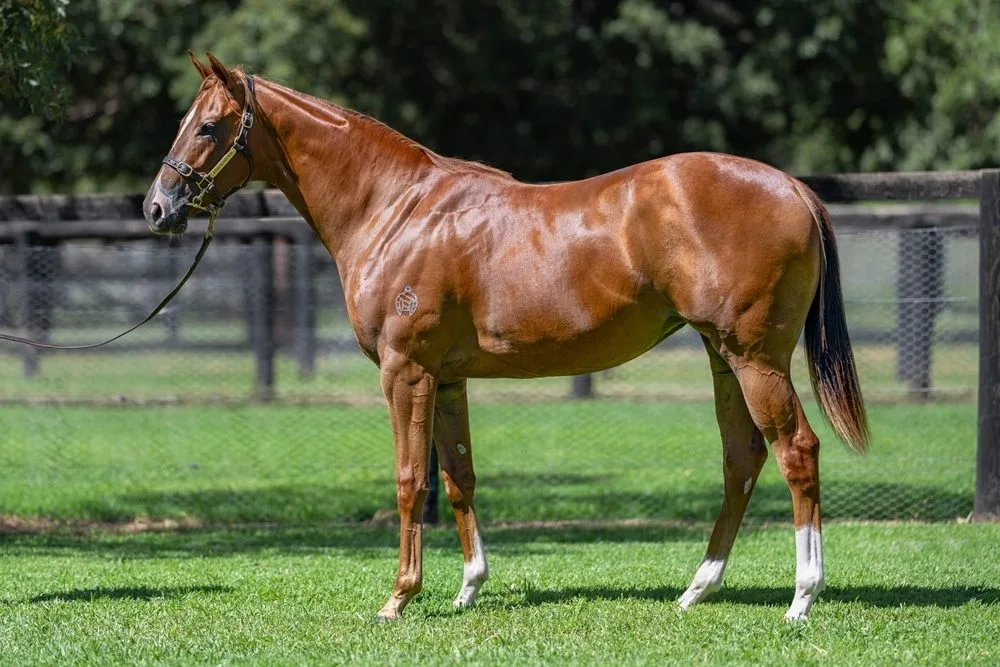
In the world of Thoroughbred racing, few terms carry as much weight as bloodstock. It is a word that represents far more than just horses—it encompasses genetics, pedigree, conformation, performance, and ultimately, value.
Bloodstock is the foundation upon which the entire racing and breeding industry is built, influencing everything from yearling sale prices to Group 1 success on the track.
Understanding bloodstock is essential for anyone involved in racing, whether you’re a trainer, owner, breeder, or investor. It is both a science and an art, requiring a deep appreciation of pedigree patterns, physical traits, and market dynamics.
https://www.youtube.com/@kurrindabloodstocksyndications
Bloodstock refers to Thoroughbred horses used for racing and breeding, along with their pedigrees and genetic value. It includes:
At its core, bloodstock is about potential—the potential to run fast, to win races, and to pass on those qualities to future generations.
Pedigree is the backbone of bloodstock evaluation. It provides a genetic blueprint of a horse’s potential ability.
The sire (father) plays a major role in determining a horse’s value. Proven stallions with strong results on the track and in the breeding barn command higher prices.
For example, stallions like Snitzel and I Am Invincible have built reputations for producing high-quality runners, making their progeny highly sought after.
Key sire considerations:
While sires often get the spotlight, the dam (mother) and her family are equally important.
Buyers look for:
The dam line often contributes:
Experienced bloodstock agents study patterns such as:
These patterns can significantly influence a horse’s potential.
Pedigree may get buyers to the ring, but conformation closes the deal.
Conformation refers to how a horse is physically built.
A well-conformed horse is more likely to:
Yearlings are the most speculative form of bloodstock.
Buyers are investing in:
There is no race form—only projection.
Yearling sales are where dreams are bought, often at major auctions run by:
These horses have been:
Buyers can assess:
This reduces risk compared to yearlings.
Tried horses have race experience, making them easier to assess.
Buyers analyse:
This is often the most practical market for trainers looking for immediate results.
Breeding stock includes:
Value is driven by:
Elite broodmares and stallions can be worth millions.
The bloodstock market operates through a combination of auctions and private sales.
Major sales events create competitive environments where prices are driven by demand.
Key features:
Digital platforms like:
have transformed the industry by:
Many high-value transactions occur privately.
Advantages:
Bloodstock agents play a crucial role in buying and selling horses.
They:
Top agents combine:
Their expertise can significantly influence outcomes.
The value of bloodstock is influenced by multiple factors:
Proven bloodlines command higher prices.
Athletic, well-balanced horses attract more buyers.
Hot sires or fashionable bloodlines can inflate prices.
For tried horses, race form is critical.
Clean vet reports increase buyer confidence.
Bloodstock investment carries inherent risk.
The key is managing risk through:
Modern bloodstock analysis increasingly incorporates science.
Advances include:
While not a guarantee, these tools provide additional insight into a horse’s potential.
Successful buyers follow key principles:
Look for horses that are:
Don’t rely solely on pedigree—assess the horse in front of you.
Know when to buy and when to wait.
Consider resale and breeding potential.
Selling bloodstock effectively requires strategy.
Sell when demand is high and the horse is performing well.
Highlight strengths:
There is a direct link between bloodstock quality and racing success.
Elite horses often come from:
However, racing also produces:
This unpredictability is part of the sport’s appeal.
The bloodstock market is international.
Horses are traded between:
Global demand influences:
Australia, in particular, is known for producing:
The industry continues to evolve.
Key trends include:
The goal is to produce horses that are:
Bloodstock is the heart of the Thoroughbred industry. It combines genetics, athleticism, and market forces into a complex and fascinating system.
Success in bloodstock requires:
Whether buying a yearling, a tried horse, or a broodmare, the principles remain the same:
Racehorse ownership has long captured the imagination of racing fans, evoking images of thrilling finishes, colourful silks, and the pride of watching “your horse” succeed on the big stage. Yet for many, the perceived barriers to ownership — cost, complexity, and risk — can make the dream seem out of reach.
Kurrinda Bloodstock Syndications changes that equation by offering an accessible, professional, and rewarding pathway into the world of thoroughbred ownership.
At its core, Kurrinda provides a structured syndication platform that allows individuals to purchase a share in quality bloodstock without the burden of sole ownership. This model reduces financial exposure, spreads ongoing costs across a group of committed owners, and ensures that each share comes with expert management — making racehorse ownership both attainable and enjoyable for a wider audience.
One of Kurrinda’s greatest strengths lies in its professional approach to horse selection and management. Rather than leaving key decisions to chance, Kurrinda combines industry knowledge with rigorous analysis to source bloodstock that shows physical potential, strong pedigrees, and promising athletic traits.
Each yearling, ready-to-race horse, or developing runner is carefully evaluated by bloodstock experts who understand the factors that influence both racing performance and long-term value.
Once a horse is acquired, Kurrinda takes on the administrative load: trainer selection, veterinary coordination, insurance arrangements, and race planning.
Owners receive regular updates and insights, meaning they can stay connected with their horse’s journey without being bogged down by day-to-day logistics. For many, this professional stewardship is the difference between ownership feeling like a burden and becoming an ongoing source of excitement and pride.
Traditional horse ownership involves significant upfront costs and ongoing financial responsibilities. By syndicating horses into smaller ownership shares, Kurrinda dramatically lowers the entry point.
Owners participate proportionately in purchase costs and ongoing expenses like training fees, agistment, and transport — but they also share in the thrill of success.
When a horse earns prize money or achieves notable results, owners receive their share of the rewards, enhancing the ownership experience.
This shared model also fosters a sense of community among syndicate members. Whether attending race days together, celebrating placings, or following training progress, syndicate owners often form lasting connections with fellow enthusiasts who share their passion.
Getting involved with Kurrinda Bloodstock Syndications is not just about financial participation — it’s about engagement with the sport.
Owners are invited to stable visits, provided with educational insights into bloodstock and racing preparation, and supported in understanding how racing strategies and bloodstock decisions unfold.
For newcomers to the industry, this learning component is invaluable. It transforms ownership from a passive investment into an informed and dynamic journey, where every win, trial, or campaign decision adds depth to the experience.
Whether you’re a lifelong racing enthusiast or a first-time owner exploring the thrill of thoroughbred ownership, Kurrinda Bloodstock Syndications offers a compelling pathway.
With reduced financial barriers, expert guidance, and a community-centric approach, involvement with Kurrinda allows you to experience the excitement, camaraderie, and potential rewards of racehorse ownership — without the complexity that traditionally accompanies it.
In a sport defined by passion and precision, Kurrinda empowers owners to be part of the action in a way that is professional, enjoyable, and genuinely rewarding.
Your feedback means a lot to us and can help others make an informed decision.
463 Milbrodale Rd, Fordwich NSW 2330