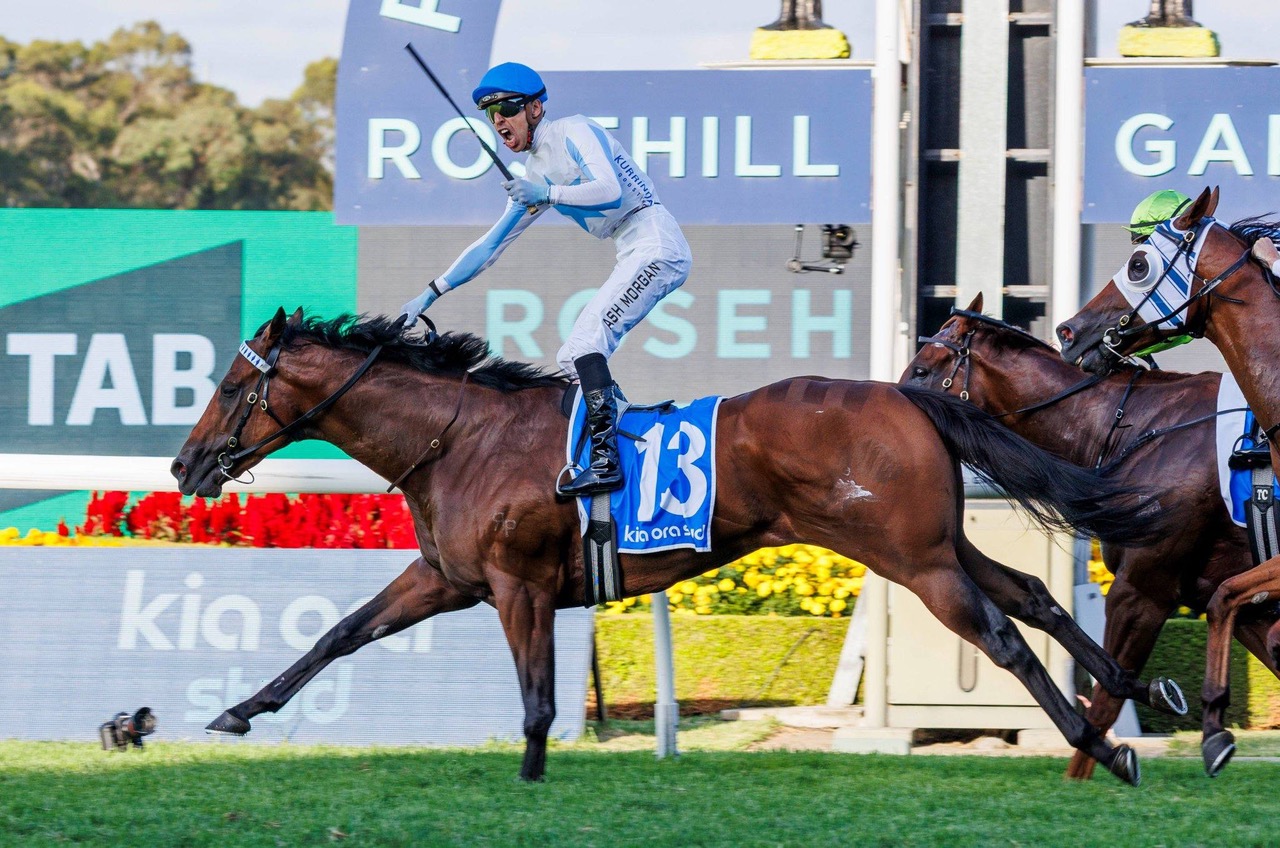

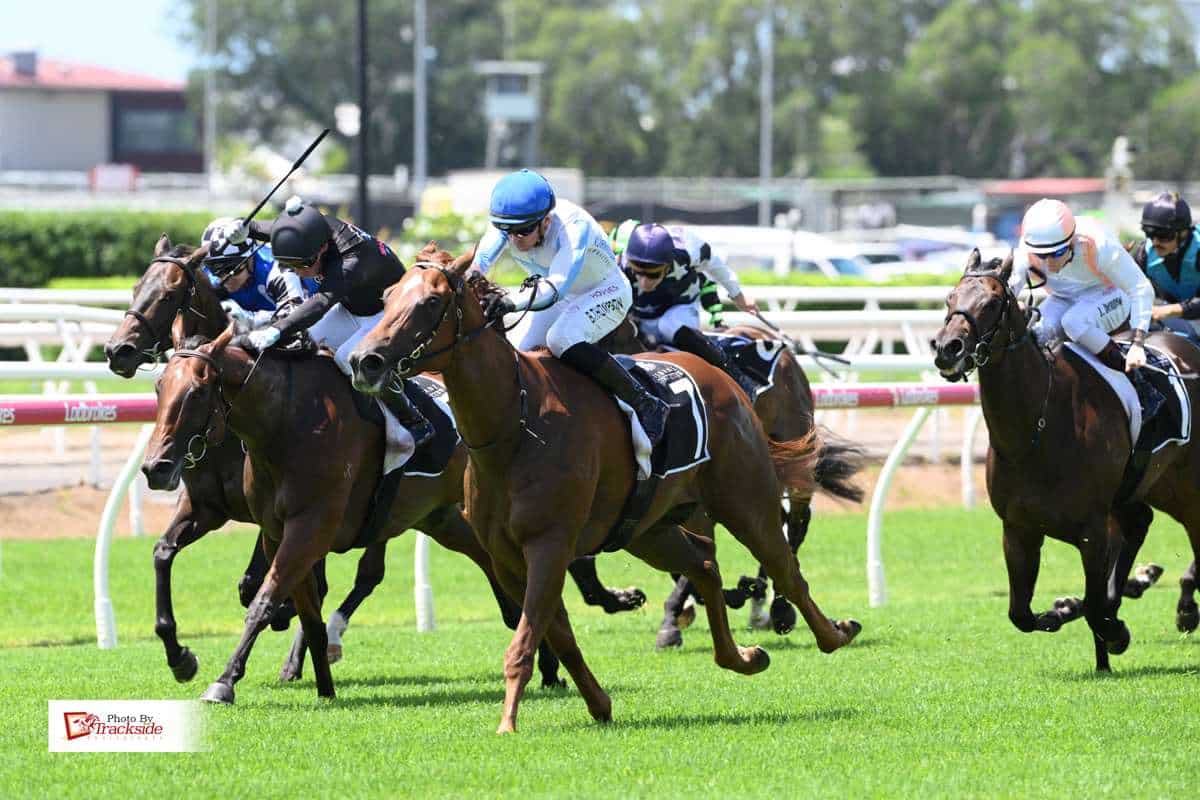
Few races capture the speed, drama, and prestige of Australian sprint racing quite like the Newmarket Handicap at Flemington Racecourse. Held annually during the Melbourne Autumn Racing Carnival, the race is widely regarded as the nation’s greatest straight-course sprint and a defining test for elite sprinters.
The 2026 edition, run on Super Saturday in early March, again delivered one of the most compelling contests of the season. Featuring a deep and diverse field of Australia’s fastest horses, the race blended established Group 1 performers with emerging sprinting stars and ambitious three-year-olds attempting to write their names into racing history.
With a prize pool of around $1.5 million, a famous straight-six course, and more than 150 years of racing tradition behind it, the Newmarket Handicap remains one of the crown jewels of the sport.
https://www.youtube.com/@kurrindabloodstocksyndications
First run in 1874, the Newmarket Handicap was designed to add excitement to the Victoria Racing Club’s autumn program with what was described as a “short and merry” race over six furlongs. More than a century later, that original vision continues to define the event.
The race is contested over 1200 metres down Flemington’s famous straight track, a layout that makes it unique among Australia’s major races. Unlike most races where runners navigate turns, the Newmarket Handicap is a pure test of speed and stamina along a straight course, placing enormous emphasis on tactical positioning and timing.
Over the decades, the race has been won by some of the greatest sprinters ever seen in Australia. Legendary names such as Black Caviar, Miss Andretti, Takeover Target, Exceed And Excel, and Schillaci all feature on the honour roll.
Winning the Newmarket is more than simply collecting prize money—it often establishes a horse as one of the elite sprinters in the country.
The 2026 Newmarket Handicap brought together a fascinating mix of horses with varying profiles and form lines. As always, the handicap conditions ensured that both experienced older sprinters and emerging three-year-olds could compete on equal footing.
Among the headline contenders was the brilliant young colt Tentyris, whose dazzling speed had already captured the imagination of racing fans. The colt had produced a sensational first-up victory in the Black Caviar Lightning Stakes, making him the clear favourite heading into the Newmarket.
However, the Newmarket Handicap has never been an easy race to win—particularly for younger horses carrying significant weight. Tentyris was assigned 57 kilograms, a hefty burden for a three-year-old in such a fiercely competitive handicap.
The challenge for the young colt was not simply maintaining his brilliant speed but doing so while giving weight to many talented rivals.
Tentyris entered the race as the horse everyone had to beat. His explosive acceleration and impressive Lightning Stakes victory had established him as one of the most exciting sprinters of the new generation.
Carrying top weight, however, presented a daunting task. Historically, only exceptional three-year-olds have managed to win the Newmarket under such conditions. A victory would place Tentyris alongside some of the most talented young sprinters ever to compete in the race.
Despite the challenge, his electrifying turn of foot made him the focal point of betting markets and racing discussion leading into the race.
One of the most intriguing challengers was the talented filly My Gladiola.
The grey daughter of I Am Invincible had already shown her quality during the spring carnival, finishing second in the Coolmore Stud Stakes and continuing to improve throughout her campaign.
In the Lightning Stakes she produced a powerful late surge to finish second behind Tentyris, suggesting that the extra distance of 1200 metres could play to her advantage.
Under handicap conditions she also enjoyed a significant weight advantage over the colt, creating a fascinating tactical battle between raw speed and favourable weights.
Another strong contender was Angel Capital, trained by champion trainer Chris Waller.
A multiple stakes winner with strong performances in top-class races, Angel Capital had long been considered a Group 1 horse in waiting. His consistent form against elite opposition—including a close finish in the Sir Rupert Clarke Stakesand a credible performance in The Everest—made him a serious contender.
The Newmarket offered the ideal opportunity for Angel Capital to secure the elusive Group 1 victory that would significantly enhance his value as a future stallion.
The experienced mare Benedetta, trained by Ciaron Maher, added depth to the race.
A Group 1 winner of The Goodwood, Benedetta had already demonstrated her ability against the best sprinters in the country. Her performances down the Flemington straight were particularly encouraging, including victory in the Inglis Sprint earlier in her career.
She also produced an eye-catching run in the Lightning Stakes, finishing strongly for third behind the younger stars.
Trained by Bjorn Baker, Caballus brought solid form and experience to the contest.
A winner of the Rising Fast Stakes, he had proven his ability down the Flemington straight and had the profile of a horse capable of producing a peak performance on the big stage.
While not the favourite, his consistent record made him an appealing outsider.
The Newmarket Handicap forms part of “Super Saturday,” one of the most anticipated meetings of the Melbourne racing calendar.
The day also features the All‑Star Mile, another major race that attracts the best middle-distance horses in the country. Together, these races create a spectacular showcase of elite thoroughbred racing.
The combination of massive crowds, elite horses, and high-stakes competition makes Super Saturday a highlight of the autumn carnival.
One of the defining features of the Newmarket Handicap is the straight course at Flemington. Unlike traditional races where runners must negotiate turns and find position around bends, the straight track creates a unique tactical environment.
Jockeys must decide whether to race near the grandstand side or the outside rail, depending on track conditions and the unfolding pace. Small advantages in positioning can have enormous consequences over the final 400 metres.
With fields of up to 24 runners, the race often unfolds in dramatic fashion as multiple groups of horses charge down the straight.
This unpredictability is part of what makes the Newmarket Handicap such an exhilarating spectacle.
Unlike many Group 1 races run under weight-for-age conditions, the Newmarket Handicap is contested under a handicap system.
This means the best horses carry more weight, theoretically creating a level playing field where every runner has a chance of winning.
For three-year-olds, this system can offer a significant advantage, as they typically receive generous weight allowances compared with older horses.
Historically, this dynamic has produced some remarkable results, with younger horses occasionally defeating more experienced rivals thanks to favourable weights.
Many horses contesting the Newmarket Handicap arrive via the traditional Melbourne sprinting pathway.
The season typically begins with the Black Caviar Lightning Stakes over 1000 metres at Flemington, followed by the Oakleigh Plate at Caulfield.
These races serve as crucial form guides for the Newmarket, allowing sprinters to sharpen their fitness before tackling the longer 1200-metre test.
Horses that perform strongly in the Lightning often enter the Newmarket as favourites, while Oakleigh Plate performers frequently emerge as strong contenders.
Victory in the Newmarket Handicap can dramatically increase the value of a horse in the breeding market.
For colts, a Group 1 sprint victory significantly enhances their appeal as future stallions. For fillies and mares, it strengthens their pedigree and increases their worth as broodmares.
Many of the race’s past winners have gone on to become influential stallions or broodmares, shaping the future of Australian thoroughbred breeding.
The enduring popularity of the Newmarket Handicap lies in its ability to combine speed, strategy, and history into one thrilling contest.
Few races offer such a pure test of sprinting ability. The straight course removes many of the variables associated with turning tracks, ensuring that only the fastest horses prevail.
The race also continues to produce new stars. Each year, emerging sprinters step onto the Flemington straight with the chance to elevate their careers and join the long list of champions who have conquered the Newmarket.
The 2026 Newmarket Handicap once again demonstrated why the race remains one of Australia’s greatest sprinting spectacles.
From the brilliant three-year-old Tentyris attempting to defy the handicap conditions to the experienced campaigners chasing Group 1 glory, the race provided a captivating clash of speed, talent, and tactical skill.
Run down the famous Flemington straight and steeped in more than 150 years of history, the Newmarket Handicap continues to define excellence in Australian sprint racing.
For racing fans, owners, trainers, and breeders alike, victory in the Newmarket is not simply another Group 1 triumph—it is a place in one of the sport’s most prestigious honour rolls.
Racehorse ownership has long captured the imagination of racing fans, evoking images of thrilling finishes, colourful silks, and the pride of watching “your horse” succeed on the big stage. Yet for many, the perceived barriers to ownership — cost, complexity, and risk — can make the dream seem out of reach. Kurrinda Bloodstock Syndications changes that equation by offering an accessible, professional, and rewarding pathway into the world of thoroughbred ownership.
At its core, Kurrinda provides a structured syndication platform that allows individuals to purchase a share in quality bloodstock without the burden of sole ownership. This model reduces financial exposure, spreads ongoing costs across a group of committed owners, and ensures that each share comes with expert management — making racehorse ownership both attainable and enjoyable for a wider audience.
One of Kurrinda’s greatest strengths lies in its professional approach to horse selection and management. Rather than leaving key decisions to chance, Kurrinda combines industry knowledge with rigorous analysis to source bloodstock that shows physical potential, strong pedigrees, and promising athletic traits. Each yearling, ready-to-race horse, or developing runner is carefully evaluated by bloodstock experts who understand the factors that influence both racing performance and long-term value.
Once a horse is acquired, Kurrinda takes on the administrative load: trainer selection, veterinary coordination, insurance arrangements, and race planning. Owners receive regular updates and insights, meaning they can stay connected with their horse’s journey without being bogged down by day-to-day logistics. For many, this professional stewardship is the difference between ownership feeling like a burden and becoming an ongoing source of excitement and pride.
Traditional horse ownership involves significant upfront costs and ongoing financial responsibilities. By syndicating horses into smaller ownership shares, Kurrinda dramatically lowers the entry point. Owners participate proportionately in purchase costs and ongoing expenses like training fees, agistment, and transport — but they also share in the thrill of success. When a horse earns prize money or achieves notable results, owners receive their share of the rewards, enhancing the ownership experience.
This shared model also fosters a sense of community among syndicate members. Whether attending race days together, celebrating placings, or following training progress, syndicate owners often form lasting connections with fellow enthusiasts who share their passion.
Getting involved with Kurrinda Bloodstock Syndications is not just about financial participation — it’s about engagement with the sport. Owners are invited to stable visits, provided with educational insights into bloodstock and racing preparation, and supported in understanding how racing strategies and bloodstock decisions unfold.
For newcomers to the industry, this learning component is invaluable. It transforms ownership from a passive investment into an informed and dynamic journey, where every win, trial, or campaign decision adds depth to the experience.
Whether you’re a lifelong racing enthusiast or a first-time owner exploring the thrill of thoroughbred ownership, Kurrinda Bloodstock Syndications offers a compelling pathway. With reduced financial barriers, expert guidance, and a community-centric approach, involvement with Kurrinda allows you to experience the excitement, camaraderie, and potential rewards of racehorse ownership — without the complexity that traditionally accompanies it.
In a sport defined by passion and precision, Kurrinda empowers owners to be part of the action in a way that is professional, enjoyable, and genuinely rewarding.

Your feedback means a lot to us and can help others make an informed decision.

463 Milbrodale Rd, Fordwich NSW 2330


G1 Winning Racehorse Syndicator Kurrinda Bloodstock is an Auth Rep AFS Licence No 336964. Registered in NSW, QLD & VIC Supported by Pepperstone https://pepperstone.com/en-au/

After complications with an ongoing colic situation we have had to unfortunately put Boston Rocks to rest.
We want to thank M.J. Dale Racing and Doyle Racing and also to their staff for taking care of him every day whilst he was with you.
Thank you to the ownership group for letting us fight the fight to do our best to try and get Bosto back to his healthy best and also a thank you to the vets that also tried their best everyday.
RIP big fella you were one of a kind 😍🐎
14 CommentsComment on Facebook
🟦◻️Zou Force getting it done◻️🟦
Congratulations: Kurrinda Bloodstock, KB Savvy Coup, Mr G A Sheen, SGC Racing, Mr G Sheen, Mrs J Rudston-Brown, Mr G J Kroeger, Mr A J Erickson, Mrs J A Carmody, Mr M F Carmody, Penrose Racing, Mr R A Columbus, Mr S M Brager, Mr R C Ellis, G1G Colts & Breeding Pty Ltd, MOOPS Racing M.J. Dale Racing murrumbidgeeturfclub
0 CommentsComment on Facebook
🟦◻️2026 Open day is not too far away◻️🟦
Our 2025 Open day as it always is, was such a fantastic day. Make sure you come and join us and see your horse and our other horses.
Raffles on the day, trainers attending, food and drinks provided and much more.
RSVP today: office@kbloodstock.com.au
www.facebook.com/events/1434146234409631/?acontext=%7B%22event_action_history%22%3A[%7B%22extra_data%22%3A%22%22%2C%22mechanism%22%3A%22left_rail%22%2C%22surface%22%3A%22bookmark%22%7D%2C%7B%22extra_data%22%3A%22%22%2C%22mechanism%22%3A%22calendar_tab_event%22%2C%22surface%22%3A%22bookmark_calendar%22%7D]%2C%22ref_notif_type%22%3Anull%7D
4 CommentsComment on Facebook
🟦◻️Stern Reminder wins◻️🟦
Congratulations: Kurrinda Bloodstock, M J Dale, AAA Racing, Mr D Deeth, Ms V Torr, Mr K Vanderstock, Mr M Rancic, J Samios, Mr C Sanna, Ms C Cheesman, Mr R A Columbus, Mr J P Lurie, Mr D Vorhauer M.J. Dale Racing
2 CommentsComment on Facebook

Boston Rocks with Estella - he loved kids #bosto #horse #kind #sweet #racehorse


After complications with an ongoing colic situation we have had to unfortunately put Boston Rocks to rest.
We want to thank M.J. Dale Racing and Doyle Racing and also to their staff for taking care of him every day whilst he was with you.
Thank you to the ownership group for letting us fight the fight to do our best to try and get Bosto back to his healthy best and also a thank you to the vets that also tried their best everyday.
RIP big fella you were one of a kind 😍🐎
Was great to see the big man yesterday Private Harry in a track gallop at Canterbury #horse #colt #colts #stallion #horseracing
Too Darn Hot x Lady Sioux filly purchased from the 2026 Classic @inglis_sales trained by @waterhousebottracing #horses #racehorse #horse #racehorses #followers
Stern Reminder getting it done @shoalhaventurfclub trained by @mjdaleracing and ridden 10/10 by @nickoheywood #horse #horses #racehorses #shares #racehorseshares
Costalivin getting the job done trained by @mjdaleracing ridden by @nickoheywood #horse #horses #filly #fillies #racehorse @murrumbidgeeturfclub
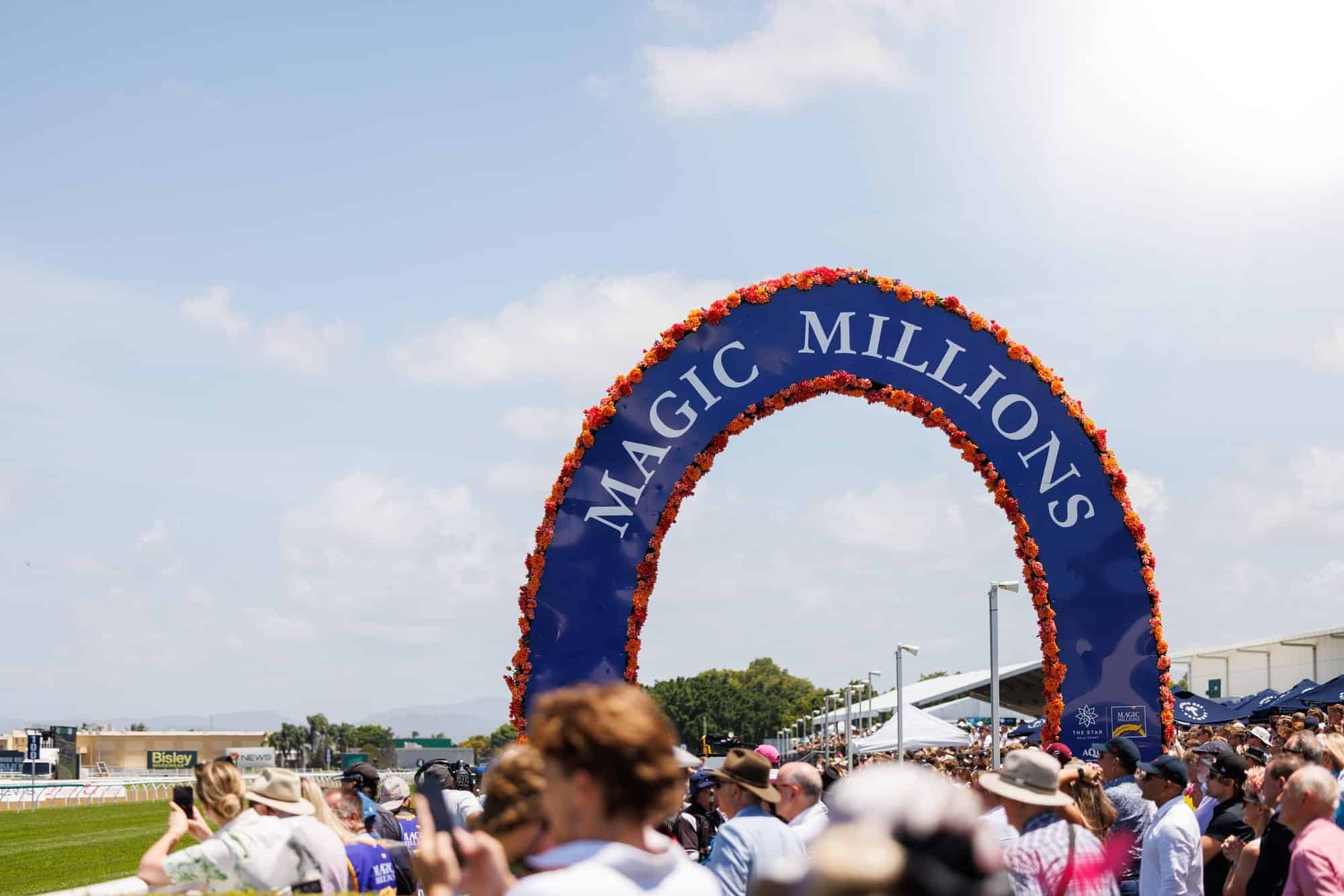
Capitalist x Pasar Gold colt purchased from @magicmillions trained by @doyleracing @almavalethoroughbreds lovely colt that is showing us natural precocity #horses #racehorse #horse #racehorses #followers
Harry Angel x Vionetta colt trained by @doyleracing we absolutely love this colt and very limited shares remain #racehorse #horses #racehorsesracehorseshares #followers #following
Mini short coming soon of Slipper day 2026 #goldenslipper #slipper #horse #racehorses #racehorse @rorison_management @australianturfclub @doyleracing @waterhousebottracing