
AVAILABLE
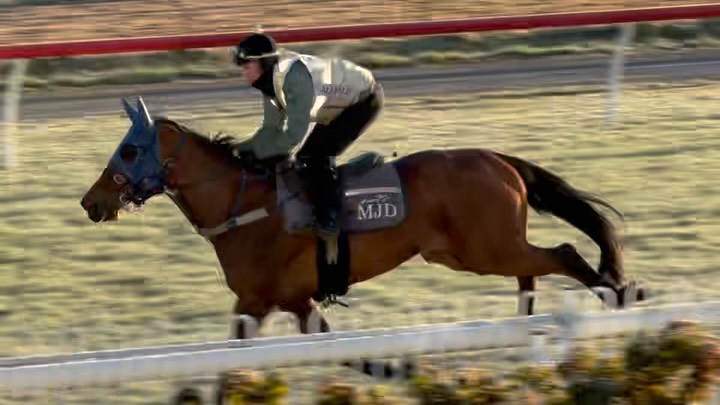
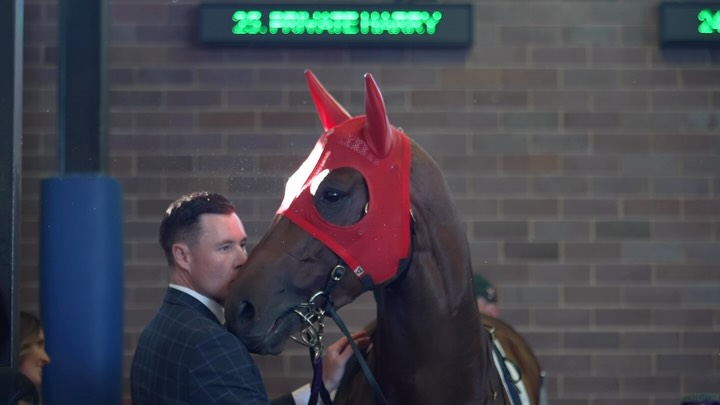
Russian Revolution x Mirjulisa Lass Colt (80% SOLD)
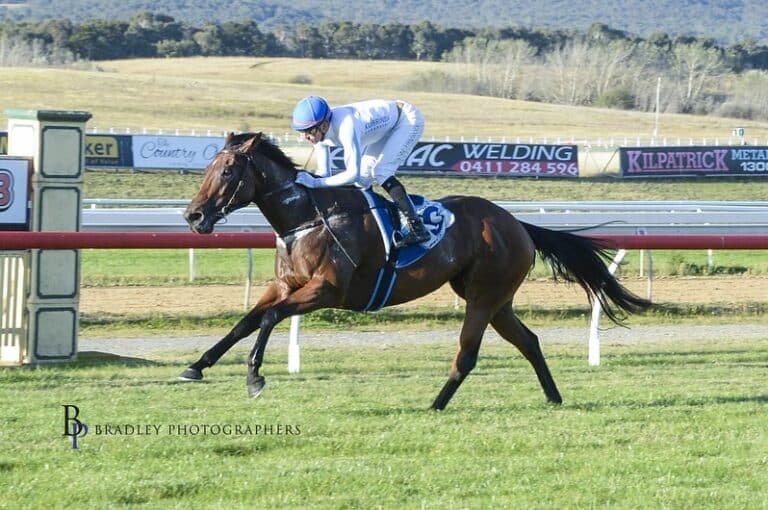
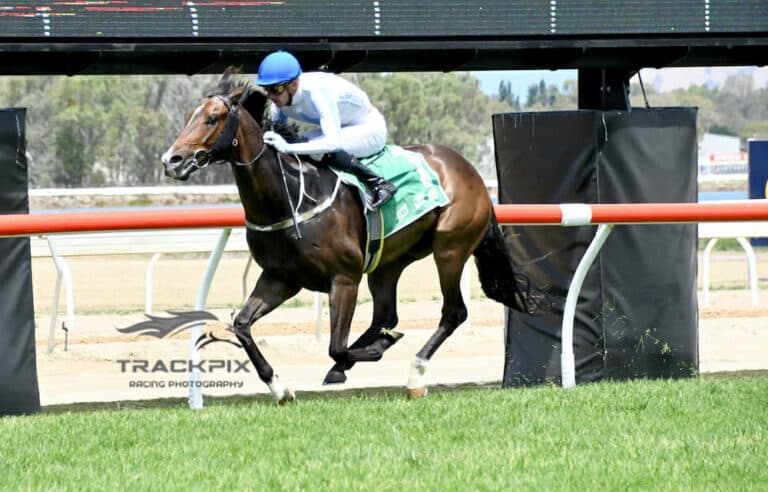
Russian Revolution x Mirjulisa Lass (Colt)
In Work
TrainerDavid Pfieffer


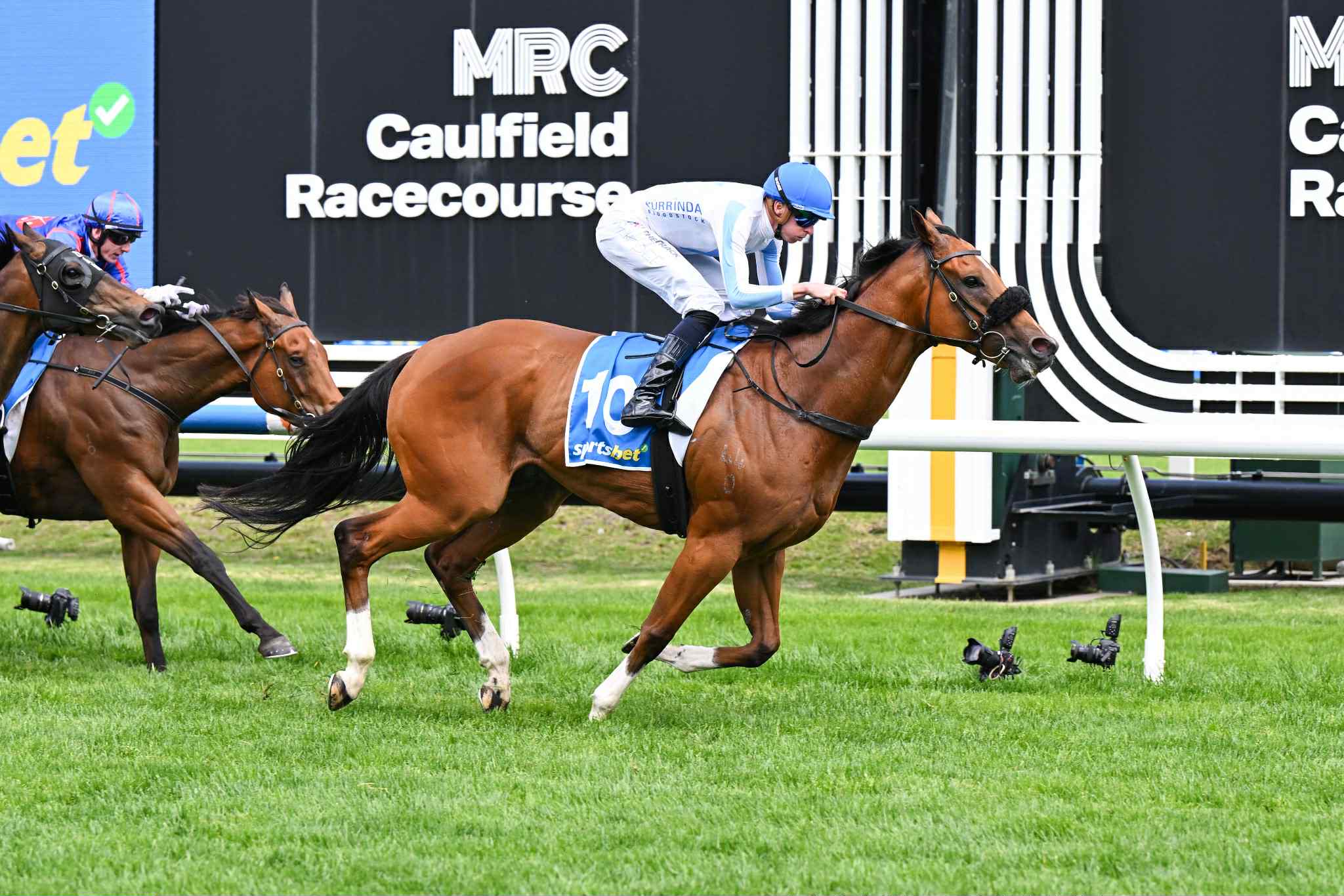
2026 Syndicates
Browse our selection of syndicate racehorses for sale, each chosen for pedigree, performance traits, and long-term potential. Whether you're searching for horse racing horses for sale, a premium thoroughbred horse for sale, or a progressive racehorse for sale, our listings showcase horses ready for syndication, including exclusive racehorse shares for sale and flexible shares in a racehorse.
1 horses available
Russian Revolution x Mirjulisa Lass (Colt)
In Work
TrainerDavid Pfieffer
At Kurrinda Bloodstock, we proudly offer racehorses for sale in Australia through our trusted, licensed syndicates. Whether you're looking for racing horses for sale, searching for a specific racehorse for sale, or hoping to secure a quality thoroughbred horse for sale, we make ownership simple and affordable. Our model allows you to opt for a specific percentage of share in a racehorse without the high costs of full ownership, giving you access to a professional race horse syndicate backed by leading trainers and pedigrees. With a seamless process tailored for both new and experienced owners, we bring the thrill of racing within reach.
Experience the excitement of ownership through a racehorse syndicate designed for accessibility and enjoyment. Our horse syndicates offer low entry points, transparent pricing, and a structured ownership model that delivers weekly updates and race-day access. As one of Australia's trusted racing syndicates, we ensure your experience remains premium from day one, making it easier than ever to buy a racehorse or secure racehorse shares for sale and step into the world of thoroughbred racing.
Backed by a collective 50+ years of experience, our racehorse syndicate program is guided by professional bloodstock managers and leading trainers. Our partnerships with industry experts make our horse syndicates a reliable and rewarding way to join reputable racing syndicates without complexity, giving every owner confidence when they decide to buy a racehorse or invest in shares in a race horse.
Every Kurrinda racehorse syndicate is licensed, regulated, and compliant with Australian standards. With over 1,000 winners and a long history of managing horse syndicates, we give owners the security and excitement they expect from top-tier racing syndicates, providing a safe and reliable path to buy a racehorse or explore horse shares for sale.
Joining Kurrinda is simple and transparent. Whether you're ready to join a racehorse syndicate, looking to buy racehorse shares, or exploring racing horses for sale and premium horse racing horses for sale, our streamlined process ensures clarity at every step while helping you secure the right opportunity from our curated racehorse shares for sale.
Browse our available thoroughbreds and enquire within our website, from there we will be in touch within 24 hours.
After we have touched base you will be sent an email from us which includes the link to review our documentation about the share you are purchasing.
Understand all ownership details and syndicate structure before you proceed by us sending you the product disclosure document. (PDS)
Select how much you want to own in your horse and how you want to pay as we do offer payment plans to help out when needed.
Complete the application to secure your share. You will then receive your documentation to sign and instructions to make payment for your share.
You will then be invited to our communications platform called PRISM to receive all audio, video and race updated.
Racehorses are sold through several different channels, and which one a horse comes from tells you a lot about what you are buying and what you are paying for. The ranges below are indicative of the Australian market as a whole, not Kurrinda prices.
$5,000 – $2,000,000+
Horses sold at around 12–18 months, before they have raced. The largest and most competitive market, and where most syndicators buy. You are buying pedigree, conformation and potential rather than form.
$15,000 – $500,000+
Two-year-olds that gallop a short timed breeze before selling. You get a look at how the horse actually moves under saddle, which removes some of the guesswork of a yearling.
$15,000 – $1,000,000+
Horses already broken in, in work, or with racing form behind them. The shortest wait to a first start, and the option with the most evidence attached.
$10,000 – $2,000,000+
Mares bought to breed from rather than to race. A different proposition to a racing syndicate, with returns measured over years rather than a season.
Often $200,000+
Colts with the pedigree and race record to stand at stud. The narrowest and most expensive end of the market.
Negotiated
Sales agreed directly between parties rather than at auction. No public bidding, and the price is whatever the two sides settle on.
The Australian year turns on two major sales. Magic Millions on the Gold Coast runs in January, and the Inglis Easter Yearling Sale in Sydney follows in March or April. Between them they set the market, and they are where most of the horses you will see offered as syndicates over the following season are bought.
Over the past five years our average yearling purchase price has been $89,736 — the accessible end of the yearling market rather than the headline end. In that same period those horses have produced Group 1, Group 2 and Group 3 winners, multiple stakes winners, and over $7 million in prize money. We buy on quality rather than on price tag, and our Bloodstock Manager selects every horse himself rather than through an agent.
It is a fair question to ask before you buy, and one most syndication pages skip. Every racehorse retires eventually — the great majority long before they reach the end of a full career.
Some retire sound at the natural end of a racing career. Others are retired because of injury, or simply because they are not competitive at a level that justifies keeping them in work. A horse that does not take to racing is not a failure of the horse, and pushing one that has told you it is done serves nobody.
Before anything else is decided, a horse coming out of work needs time to let down — to come off racing fitness and racing feed at a sensible pace. Our 40-acre Hunter Valley property exists for exactly this, and horses spell there between preparations as well as at the end of a career.
Well-bred mares and successful colts may go to stud. For the geldings, and for the fillies and mares who do not head to a breeding career, we have built relationships with around half a dozen colleagues across the industry who take our horses on and retrain them for dressage and equestrian competition.
This is not a hand-off and a hope. Those horses go on to long, genuinely enjoyable second careers, and several of them have since won multiple awards at Equimillion, the off-the-track thoroughbred competition. A thoroughbred leaving racing at four or five has the better part of two decades ahead of it, and the point of retraining is to make sure that time is worth having.
We sponsor at least one horse at Equimillion every year. It is a deliberate commitment rather than a gesture: the retraining industry is what gives a racehorse somewhere to go when its racing days end, and it only works if the people who profit from racing put something back into it. If where your horse ends up matters to you — and it should — this is the part of our operation worth asking us about.
Retirement decisions are made in the best interest of the horse, in consultation with the trainer and the treating veterinarian, and syndicate owners are told what is happening and why. If you want to know how a specific horse's retirement would be handled before you buy into it, ask us — it is a reasonable thing to want in writing.
Kurrinda Bloodstock Syndications has spent over 50 years delivering results for owners through some of the best racehorse syndicates Australia has to offer. Our long-standing reputation makes us one of the most trusted providers of horse syndicates for Australians looking to buy a racehorse confidently.
Enjoy access to our top-tier trainers through our established race horse syndicates. With the industry's highly respected/regarded trainers and proven professionals, our community of owners benefits from years of expertise that enhances every decision when you buy into a racehorse.
Kurrinda Bloodstock is dedicated to transparency, communication, and delivering a premium ownership experience. As one of the best horse syndicates Australia offers, we provide honest guidance for anyone seeking dependable horse syndicates or planning to buy a racehorse.
Hear from owners who've experienced the thrill of racehorse ownership Australia firsthand. Their racehorse syndication reviews reflect the trust, communication, and excitement of being part of Kurrinda Bloodstock Syndications.
“Joining Kurrinda was the best decision. The communication is outstanding, and being an owner is an unbelievable thrill!”
— Sarah M.
“The updates, professionalism, and race-day experience are unmatched. Highly recommended!”
— James P.
“Great team, great horses, and transparent syndication. A fantastic ownership pathway.”
— Michelle R.
Costs vary depending on the horse, but we offer flexible options including payment plans for those looking to start racehorse ownership or buy racehorse shares.
A racehorse syndicate in Australia allows multiple owners to share costs and enjoyment. Sole ownership isn't really achievable, with us you get 100% of the enjoyment for 2% of the expense.
Prize money is distributed fortnightly or monthly proportionally based on your percentage of racehorse ownership.
Yes — also including syndicates include owner privileges, enhancing your racehorse ownership experience.
Reputable groups operate fully within the laws governing racehorse syndicate Australia and all owners who buy racehorse shares should review licensing before joining.
Now is the perfect time to secure your share in a racehorse and enjoy the excitement of a professionally managed syndicate. Whether you're ready to buy a racehorse or searching for the right thoroughbred horse for sale, Kurrinda Bloodstock will guide you every step of the way.
54 horses in our stable


Written By x Not A Happy Camper (Filly)
In Work
TrainerStuart Kendrick



Too Darn Hot x Lady Sioux (Filly)
In Work
TrainerGai Waterhouse & Adrian Bott

Sword Of State x Florencenightngale (Colt)
In Work
TrainerCiaron Maher


Russian Revolution x Mirjulisa Lass (Colt)
In Work
TrainerDavid Pfieffer


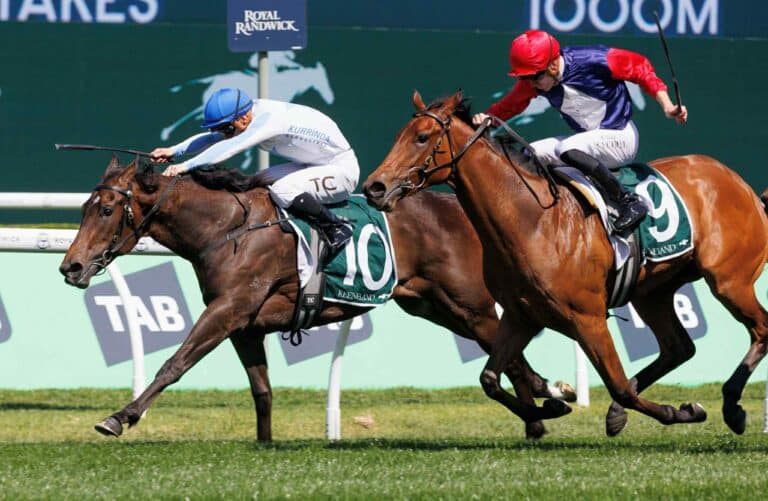
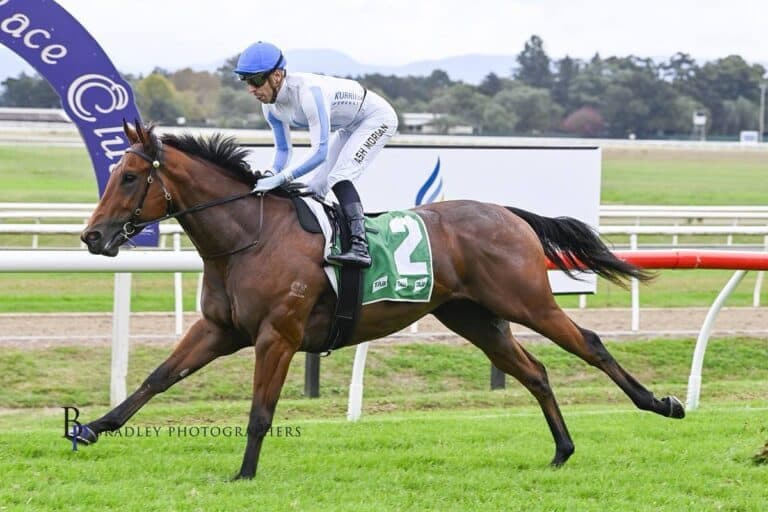
Get Involved
Select your preferred horse and we'll contact you with share availability and pricing.