View our 2025 open day, to RSVP for the 2026 open day on the 26th July

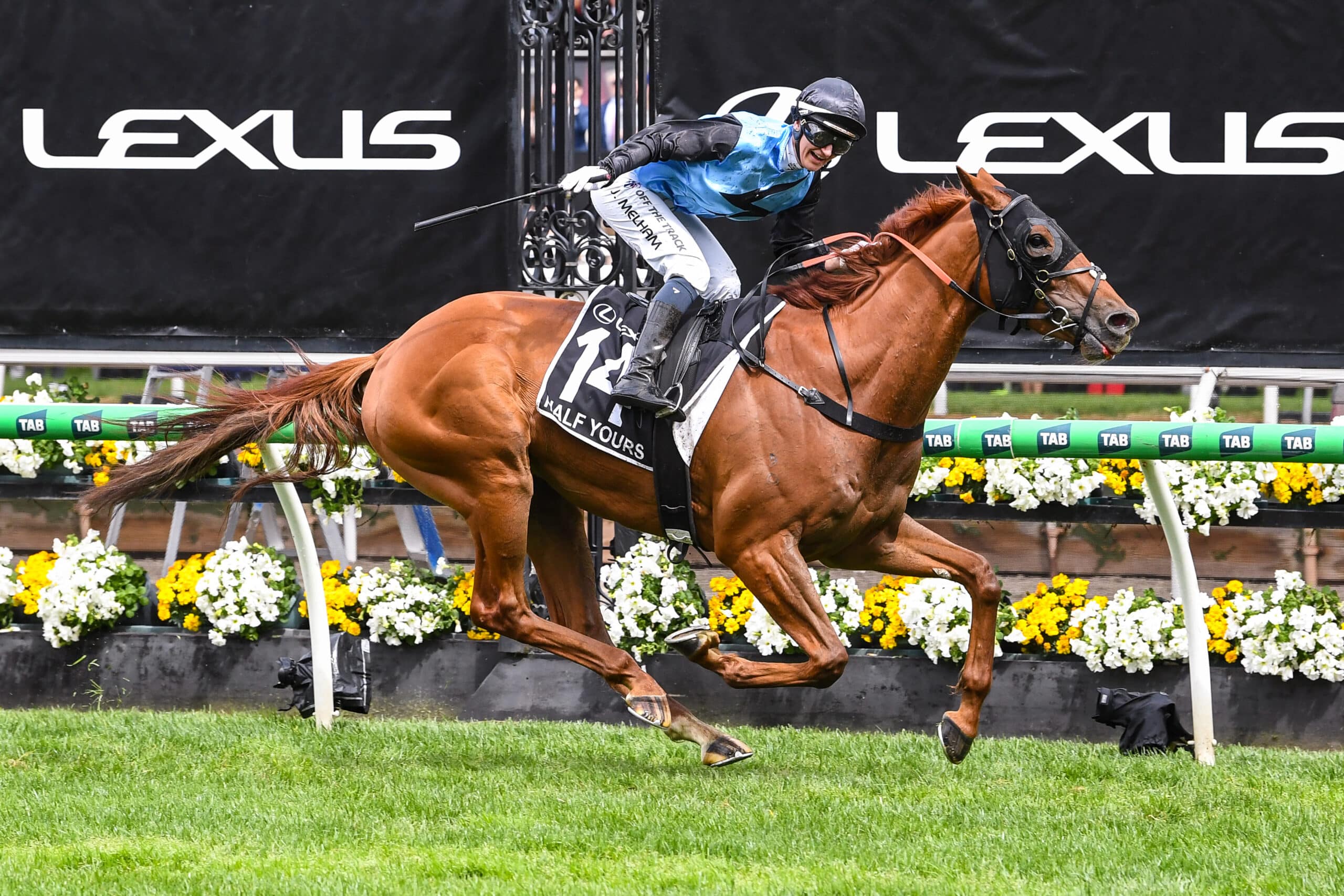
In Thoroughbred racing, every owner dreams of the same moment: watching their horse thunder down the straight, ears pinned back, fighting for victory in front of a roaring crowd. But behind the glamour, the trophies, and the excitement lies another side of racing that every owner, trainer, and stable must eventually confront—the physical fragility of the racehorse.
When a horse like Half Yours pulls up lame, even for a single day, the atmosphere around the stable changes instantly. Optimism turns into concern. Plans are paused. Owners wait anxiously for veterinary reports, while trainers try to determine whether the issue is minor soreness or the beginning of something more serious.
Lameness is one of the most challenging and emotionally draining aspects of horse racing. It can interrupt campaigns, derail preparation, destroy confidence, and in some cases end careers. Yet it is also an unavoidable reality in a sport built around elite equine athletes performing at extreme physical intensity.
This article explores what it means when a racehorse like Half Yours is lame, the common causes, how trainers and veterinarians manage these situations, and why patience and long-term thinking are critical in modern racing.
The moment a horse shows signs of lameness, concern spreads quickly through a stable.
Even mild lameness can indicate:
The challenge is that early signs often look similar regardless of severity.
A horse may:
At that stage, nobody knows whether the issue is:
That uncertainty is one of the hardest parts of racehorse management.
Thoroughbreds are extraordinary athletes.
They are bred for:
But this athleticism comes with physical pressure.
Modern racehorses compete:
Their limbs absorb enormous stress during galloping and racing.
Every stride places pressure on:
This means even elite horses are constantly balancing:
When a horse like Half Yours becomes lame, trainers and veterinarians immediately begin narrowing down possible causes.
One of the most common causes.
An abscess is:
Symptoms:
The good news:
Many horses appear dramatically lame from relatively minor hoof issues.
Racehorses can bruise their feet from:
Bruising can cause:
This is especially common after:
These injuries create much greater concern.
Tendon and ligament problems can:
Early signs may appear subtle before worsening.
This is why trainers act cautiously whenever lameness appears.
Repeated racing stress can inflame:
Joint soreness is common in horses racing consistently at high level.
Not all lameness originates in the legs.
Sometimes horses become uneven because of:
These issues can affect stride efficiency significantly.
When a horse goes lame, the first day is extremely important.
Trainers generally:
Veterinarians may:
The goal is:
👉 identify the issue before it worsens.
Owners often struggle emotionally when their horse becomes lame.
Why?
Because racing campaigns involve:
One lame step can suddenly jeopardise:
The uncertainty becomes stressful.
Many owners immediately fear:
Even when the issue ultimately proves minor.
Experienced trainers understand:
Good trainers:
Modern racing increasingly values:
because a sound horse racing consistently over years is far more valuable than a horse rushed back too early.
One major advantage in modern racing is improved veterinary technology.
Today, trainers can use:
These tools help detect:
Early diagnosis has dramatically improved horse management.
Lameness affects more than just the body.
Horses can lose:
A horse returning from soreness may:
This is why rehabilitation must consider:
One lame day can completely alter a campaign.
Target races may need to change.
Preparations may need extending.
Fitness schedules may need rebuilding.
This is especially significant for:
Timing matters enormously in racing.
Fortunately, many cases of lameness are manageable.
Examples include:
With:
horses can often return successfully.
More serious injuries involve:
These injuries may require:
Some horses never fully return to peak performance.
Modern racing places increasing emphasis on horse welfare.
When horses become lame:
The industry understands:
👉 protecting the horse must come first.
Recent scrutiny surrounding racehorse welfare has increased significantly in Australia and internationally.
This is why durable horses become so admired in racing.
Horses that:
are incredibly valuable.
Because physically sound horses:
Durability is often more important than raw brilliance.
Lameness affects:
because costs continue even when horses are not racing.
Expenses such as:
continue throughout recovery.
This is why soundness is one of the most important factors in racehorse economics.
Modern recovery programs often include:
The goal is:
Good trainers think long term.
When horses go lame, communication becomes critical.
Owners want:
The best trainers:
Strong communication maintains owner trust during difficult periods.
No stable avoids lameness completely.
Even elite horses experience:
It is simply part of managing elite equine athletes.
The key difference between good and poor operations is often:
👉 how they manage setbacks.
People often see:
But behind every successful horse lies:
Racing is not just about speed.
It is about:
When a horse like Half Yours is lame, it reminds everyone involved in racing how fragile and unpredictable the sport can be.
One day a horse may look unbeatable.
The next day the entire campaign may be uncertain.
That emotional volatility is part of racing.
But modern training methods, veterinary care, and welfare standards have improved dramatically, giving horses far better opportunities for safe recovery than ever before.
The most important thing is patience.
Because in racing:
Racehorse ownership has long captured the imagination of racing fans, evoking images of thrilling finishes, colourful silks, and the pride of watching “your horse” succeed on the big stage. Yet for many, the perceived barriers to ownership — cost, complexity, and risk — can make the dream seem out of reach.
Kurrinda Bloodstock Syndications changes that equation by offering an accessible, professional, and rewarding pathway into the world of thoroughbred ownership.
At its core, Kurrinda provides a structured syndication platform that allows individuals to purchase a share in quality bloodstock without the burden of sole ownership. This model reduces financial exposure, spreads ongoing costs across a group of committed owners, and ensures that each share comes with expert management — making racehorse ownership both attainable and enjoyable for a wider audience.
https://www.youtube.com/@kurrindabloodstocksyndications/videos
One of Kurrinda’s greatest strengths lies in its professional approach to horse selection and management. Rather than leaving key decisions to chance, Kurrinda combines industry knowledge with rigorous analysis to source bloodstock that shows physical potential, strong pedigrees, and promising athletic traits.
Each yearling, ready-to-race horse, or developing runner is carefully evaluated by bloodstock experts who understand the factors that influence both racing performance and long-term value.
Once a horse is acquired, Kurrinda takes on the administrative load: trainer selection, veterinary coordination, insurance arrangements, and race planning.
Owners receive regular updates and insights, meaning they can stay connected with their horse’s journey without being bogged down by day-to-day logistics. For many, this professional stewardship is the difference between ownership feeling like a burden and becoming an ongoing source of excitement and pride.
Traditional horse ownership involves significant upfront costs and ongoing financial responsibilities. By syndicating horses into smaller ownership shares, Kurrinda dramatically lowers the entry point.
Owners participate proportionately in purchase costs and ongoing expenses like training fees, agistment, and transport — but they also share in the thrill of success.
When a horse earns prize money or achieves notable results, owners receive their share of the rewards, enhancing the ownership experience.
This shared model also fosters a sense of community among syndicate members. Whether attending race days together, celebrating placings, or following training progress, syndicate owners often form lasting connections with fellow enthusiasts who share their passion.
Getting involved with Kurrinda Bloodstock Syndications is not just about financial participation — it’s about engagement with the sport.
Owners are invited to stable visits, provided with educational insights into bloodstock and racing preparation, and supported in understanding how racing strategies and bloodstock decisions unfold.
For newcomers to the industry, this learning component is invaluable. It transforms ownership from a passive investment into an informed and dynamic journey, where every win, trial, or campaign decision adds depth to the experience.
Whether you’re a lifelong racing enthusiast or a first-time owner exploring the thrill of thoroughbred ownership, Kurrinda Bloodstock Syndications offers a compelling pathway.
With reduced financial barriers, expert guidance, and a community-centric approach, involvement with Kurrinda allows you to experience the excitement, camaraderie, and potential rewards of racehorse ownership — without the complexity that traditionally accompanies it.
In a sport defined by passion and precision, Kurrinda empowers owners to be part of the action in a way that is professional, enjoyable, and genuinely rewarding.
Your feedback means a lot to us and can help others make an informed decision.

463 Milbrodale Rd, Fordwich NSW 2330


G1 Winning Racehorse Syndicator Kurrinda Bloodstock is an Auth Rep AFS Licence No 336964. Registered in NSW, QLD & VIC Supported by Pepperstone https://pepperstone.com/en-au/
Announcement 🚨
Private Harry after this campaign will head to the Yulong ranks in 2026.
The first and Fastest son of World Champion Sprinter Harry Angel to stud.
#privateharry
He has given us all a thrill and a fantastic ride but we now get to look forward to his future in the breeding barn.
0 CommentsComment on Facebook
🟦◻️Crown Guinea wins◻️🟦
Congratulations: Kurrinda Bloodstock, Rothwell Park Thoroughbreds, Mr D Webb, Mr J Robson, Mr M Trappel, Mr P G Abraham, Mr C V Moat, Mr P G Sevil, BNT Thoroughbreds, Mr H Durward, Mr D J Wicks, Mr C F Eves, Begg & Sons, Mr G Godson, Mr L Don, Mr C A Saleh, Mr C Deegan, Mr G W Diener Kendrick Racing Stables
3 CommentsComment on Facebook

After complications with an ongoing colic situation we have had to unfortunately put Boston Rocks to rest.
We want to thank M.J. Dale Racing and Doyle Racing and also to their staff for taking care of him every day whilst he was with you.
Thank you to the ownership group for letting us fight the fight to do our best to try and get Bosto back to his healthy best and also a thank you to the vets that also tried their best everyday.
RIP big fella you were one of a kind 😍🐎
16 CommentsComment on Facebook
🟦◻️Zou Force getting it done◻️🟦
Congratulations: Kurrinda Bloodstock, KB Savvy Coup, Mr G A Sheen, SGC Racing, Mr G Sheen, Mrs J Rudston-Brown, Mr G J Kroeger, Mr A J Erickson, Mrs J A Carmody, Mr M F Carmody, Penrose Racing, Mr R A Columbus, Mr S M Brager, Mr R C Ellis, G1G Colts & Breeding Pty Ltd, MOOPS Racing M.J. Dale Racing murrumbidgeeturfclub
1 CommentsComment on Facebook

Do we inspect every draft at a sale? And do we use bloodstock agents? @stridyl_ @rorison_management #horses #racehorse #followers #following #farm


How do we value a yearling at a sale? 🤔 @rorison_management @stridyl_ #horses #racehorse #racehorses #followers #following
Zou Force getting it done under @nickoheywood trained to perfection by @mjdaleracing #racehorse #horses #horse #racehorses #syndication
Episode 32 about to drop - we sat down with @nick_riverstonelodge from @riverstone113 to discuss his career so far and also the success and plans so far with the farm #horse #racehorse #podcast #podcasts #followers
Boston Rocks with Estella - he loved kids #bosto #horse #kind #sweet #racehorse
After complications with an ongoing colic situation we have had to unfortunately put Boston Rocks to rest.
We want to thank M.J. Dale Racing and Doyle Racing and also to their staff for taking care of him every day whilst he was with you.
Thank you to the ownership group for letting us fight the fight to do our best to try and get Bosto back to his healthy best and also a thank you to the vets that also tried their best everyday.
RIP big fella you were one of a kind 😍🐎
Was great to see the big man yesterday Private Harry in a track gallop at Canterbury #horse #colt #colts #stallion #horseracing
Too Darn Hot x Lady Sioux filly purchased from the 2026 Classic @inglis_sales trained by @waterhousebottracing #horses #racehorse #horse #racehorses #followers
Stern Reminder getting it done @shoalhaventurfclub trained by @mjdaleracing and ridden 10/10 by @nickoheywood #horse #horses #racehorses #shares #racehorseshares